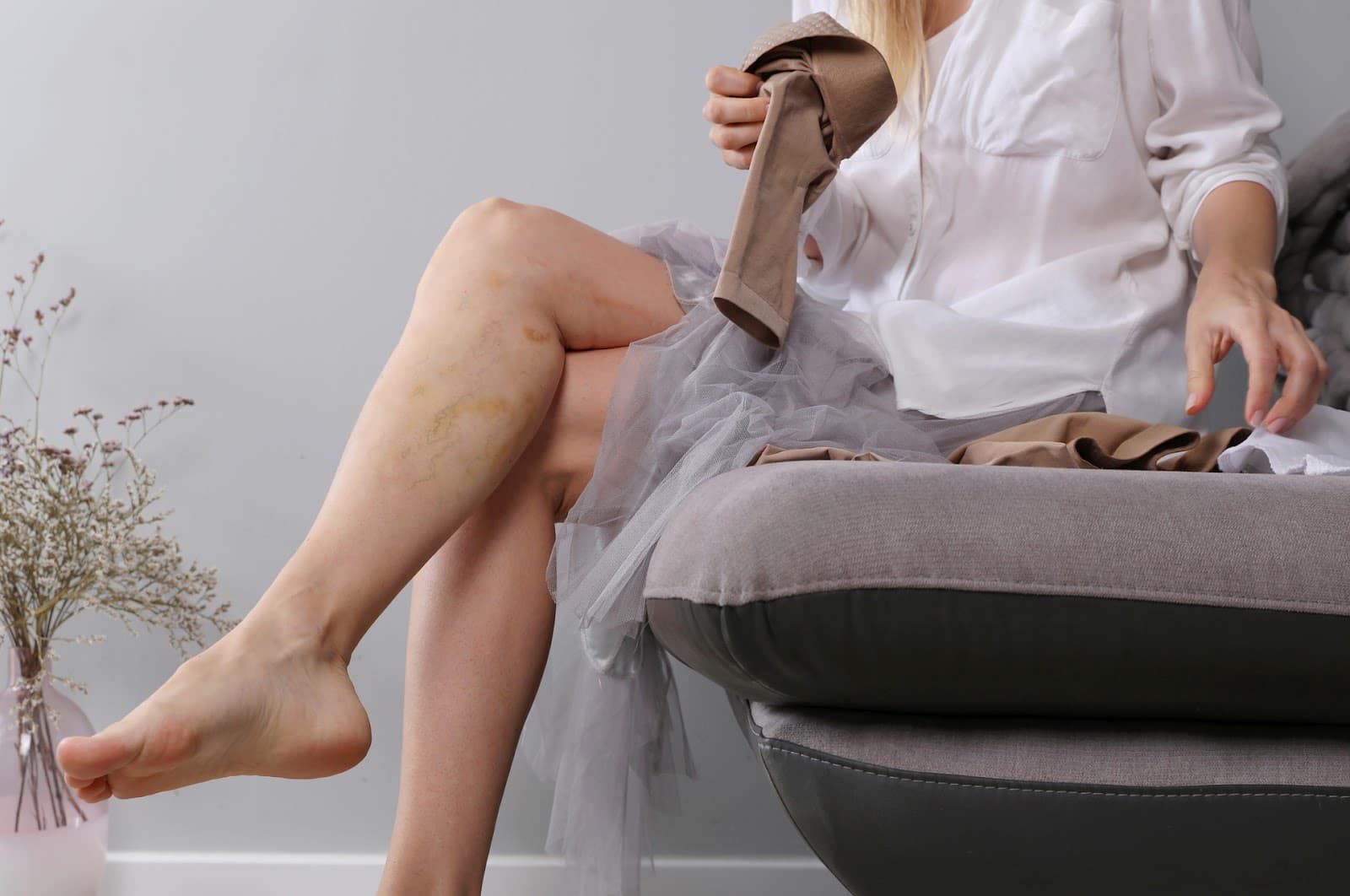
Pain behind the knee is commonly caused by muscle strain, arthritis, Baker's cysts, cartilage injuries, ligament damage, or vein problems. The exact cause depends on whether symptoms are accompanied by swelling, stiffness, reduced mobility, or visible changes in the leg.
The discomfort can range from a mild ache to more persistent pain that affects walking, exercise, or everyday activities.
Understanding what is causing your symptoms is the first step towards finding the right treatment and preventing the problem from getting worse.
Common causes of pain behind the knee
Common causes of pain behind the knee
Several different conditions can cause pain behind the knee. Some affect the knee joint itself, while others involve the muscles, tendons, ligaments, or veins in the leg.
Muscle strain or overuse injuries: this is when the muscles or tendons at the back of the leg become stretched or irritated. It often happens after exercise, heavy activity, or sudden movement.
Meniscus (cartilage) tears: a torn meniscus can occur after twisting the knee and may cause pain, swelling, stiffness, and difficulty moving the joint.
Arthritis in the knee joint: arthritis is wear and tear of the knee joint over time. It can lead to inflammation, stiffness, and aching pain, which may be felt in different parts of the knee, including behind it.
Baker’s cyst (fluid build-up behind the knee): this is a fluid-filled swelling that develops behind the knee, often linked to arthritis or a knee injury. It can cause tightness, swelling, and discomfort when moving the knee.
Ligament injuries: ligaments are strong bands of tissue that hold the knee together. If they are stretched or torn, often during sport or sudden movement, they can cause pain, swelling, and instability in the knee.
Common symptoms of pain behind the knee
Pain behind the knee can feel like a dull ache, sharp pain, tightness, or pressure at the back of the joint. Some people notice swelling or stiffness, while others experience discomfort when walking, bending the knee, or standing for long periods.
Common symptoms you shouldn’t ignore:
Pain or aching behind the knee: this may feel dull, sharp, or tight depending on the cause
Swelling around or behind the knee: sometimes linked to fluid build-up in the joint or a cyst
Stiffness in the knee: making it harder to fully bend or straighten the leg
Pain when straightening the leg: some conditions can make it uncomfortable or painful to fully extend the knee
Tightness or pressure behind the knee: often described as a feeling of fullness
Pain when walking, bending, or standing for long periods: symptoms may worsen with movement or activity
Pain that comes and goes: intermittent symptoms can still indicate an underlying issue and shouldn't be ignored if they persist or worsen
Tenderness when touching the area: the back of the knee may feel sore or sensitive
Warmth or redness in the area (in some cases): this can happen with inflammation or more serious underlying conditions
Pain behind the knee can affect anyone, but certain factors can increase the likelihood of developing symptoms.
You may be more likely to experience pain behind the knee if you:
Play sports or exercise regularly: activities that involve running, jumping, or sudden changes in direction can place extra strain on the knee.
Have a previous knee injury: past injuries can increase the risk of ongoing pain or future problems.
Are over the age of 50: age-related changes in the joints can make conditions such as arthritis more common.
Have arthritis: inflammation and wear and tear in the knee joint can lead to pain, stiffness, and swelling.
Spend long periods standing or sitting: this can place stress on the legs and may contribute to circulation problems.
Are overweight or obese: carrying extra weight increases the pressure placed on the knee joints.
Have varicose veins or poor circulation: vein problems can sometimes cause discomfort, aching, or heaviness in the legs.
Have a Baker's cyst: these fluid-filled swellings often develop alongside knee conditions such as arthritis or cartilage damage.
When should you seek medical advice?
Pain behind the knee is often caused by common conditions such as muscle strain, arthritis, ligament injuries, or a Baker's cyst. However, it is important to seek medical advice if symptoms are severe, persistent, getting worse, or affecting your ability to walk and carry out everyday activities.
Seek urgent medical attention if you develop:
Sudden swelling in one leg
Redness or warmth in the calf or behind the knee
Severe or worsening pain
Shortness of breath or chest pain
These symptoms can sometimes be a sign of a more serious condition, including a deep vein thrombosis (DVT), which requires immediate medical assessment.
Can vein problems cause pain behind the knee?
Most cases of pain behind the knee are caused by joint, muscle, or tendon problems. However, symptoms can sometimes be linked to underlying vein conditions.
Varicose veins and chronic venous insufficiency can cause aching, heaviness, swelling, and discomfort around the knee and calf. Symptoms often worsen after standing for long periods and may improve when the legs are elevated.
If pain behind the knee occurs alongside visible veins, swelling, or heavy legs, a vascular assessment may help identify whether poor circulation is contributing to your symptoms.
Concerned your symptoms could be vein-related?
If you're experiencing pain behind the knee alongside visible veins, swelling, heaviness, or aching legs, a specialist vein assessment can help identify the underlying cause. Our clinical vascular scientists use ultrasound scanning to assess your circulation and recommend the most appropriate treatment options if needed.
Book a vein assessment today to find out whether an underlying vein condition could be contributing to your symptoms.
How is pain behind the knee diagnosed?
Diagnosing pain behind the knee starts with understanding your symptoms, medical history, and any recent injuries or changes in activity. A doctor will usually ask when the pain started, what it feels like, and whether you have noticed symptoms such as swelling, stiffness, or difficulty moving the knee.
To identify the cause, a healthcare professional may use:
A physical examination: to assess pain, swelling, movement, and stability in the knee.
Ultrasound scans: often used to check for conditions such as a Baker’s cyst, blood clot, or underlying vein problems.
X-rays: to look for signs of arthritis or changes in the knee joint.
MRI scans: to provide detailed images of the soft tissues, including ligaments, tendons, and cartilage.
Blood tests: occasionally used if an inflammatory condition or infection is suspected.
Self-care for pain behind the knee
If your symptoms are mild and not linked to a serious condition, self-care measures can often help reduce discomfort and support recovery.
A simple approach is the POLICE principle:
Protect: avoid activities that worsen your symptoms or place excessive strain on the knee.
Optimal Loading: keep the knee moving gently and gradually return to normal activity as pain allows. Complete rest for long periods is not usually recommended.
Ice: apply an ice pack wrapped in a towel for up to 20 minutes at a time to help reduce pain and swelling.
Compression: a supportive bandage or knee support may help manage swelling and provide comfort.
Elevation: raise the affected leg when resting to help reduce swelling.
While not all causes can be prevented, the following steps may help reduce your risk of developing knee pain:
While not all causes can be prevented, the following steps may help reduce your risk of developing knee pain:
Warm up before exercise and increase activity levels gradually.
Maintain strength and flexibility in the muscles around the knee.
Wear supportive footwear during exercise and daily activities.
Avoid sitting or standing in the same position for long periods.
Maintain a healthy weight to reduce pressure on the knee joints.
Stay active to support healthy circulation and joint function.
If you have varicose veins or circulation concerns, seek assessment early to help prevent symptoms from worsening.
If pain behind the knee persists, keeps returning, or is accompanied by significant swelling, redness, warmth, or difficulty walking, it is important to seek medical advice to identify the underlying cause.
Understanding pain behind the knee is important, especially as it can be linked to a range of causes including muscle strain, joint conditions, or underlying vein problems. If you are unsure what is causing your symptoms, or if your pain is persistent, worsening, or associated with swelling or changes in your leg veins, it is always best medical advice to ensure nothing more serious is going on. Recognising the possible causes and knowing when to get checked can help you take the right steps towards effective treatment and peace of mind.
At UK Vein Clinic, our clinical vascular scientists are here to help assess whether your symptoms could be related to vein health and guide you through the most appropriate next steps. If you are experiencing ongoing discomfort behind the knee or are concerned about your circulation, booking a consultation can help you get clear answers and tailored treatment options to support your long-term leg health
Explore cutting-edge leg vein treatments at UK Vein Clinic. From EVRF for varicose veins to Veinwave for spider veins, discover personalised treatments for optimal vascular health.
On Wednesday evening, we had the privilege of hosting our first “GP Vascular Masterclass” for over 50 GPs in person at the Hotel du Vin Wimbledon and virtually thanks to our partners at Radcliffe Vascular. It provided an invaluable platform for our fantastic doctors to exchange insights on vein treatments, navigating complexities, and getting to know the wonderful Wimbledon GPs.
Take our two-minute quiz
Take our two-minute diagnostic test to see if you could benefit from varicose vein treatment.
Try our comparison tool
Compare UK Vein Clinic with providers in your area
Compare now
Share Our Article
Share our article and help us to leave UK free of varicose veins
Download our free brochures
Discover our breakthrough minimally invasive treatments and hear directly from our expert vascular surgeons.
We're pleased to be able to provide our world-class varicose vein treatment in a variety of places throughout the United Kingdom. Learn more about your treatment options, including endovenous radio-frequency ablation (EVRF) and foam sclerotherapy, at the clinic closest to you.

 Call us on 0208 1873999Arrange a visit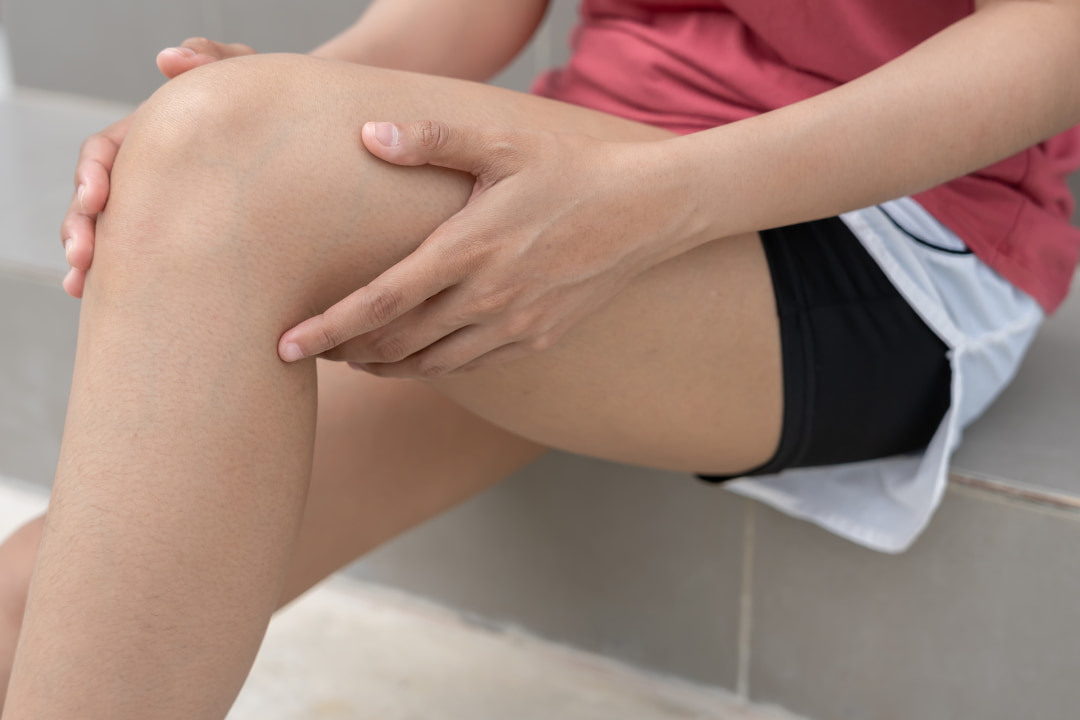
.jpg)
.jpg)