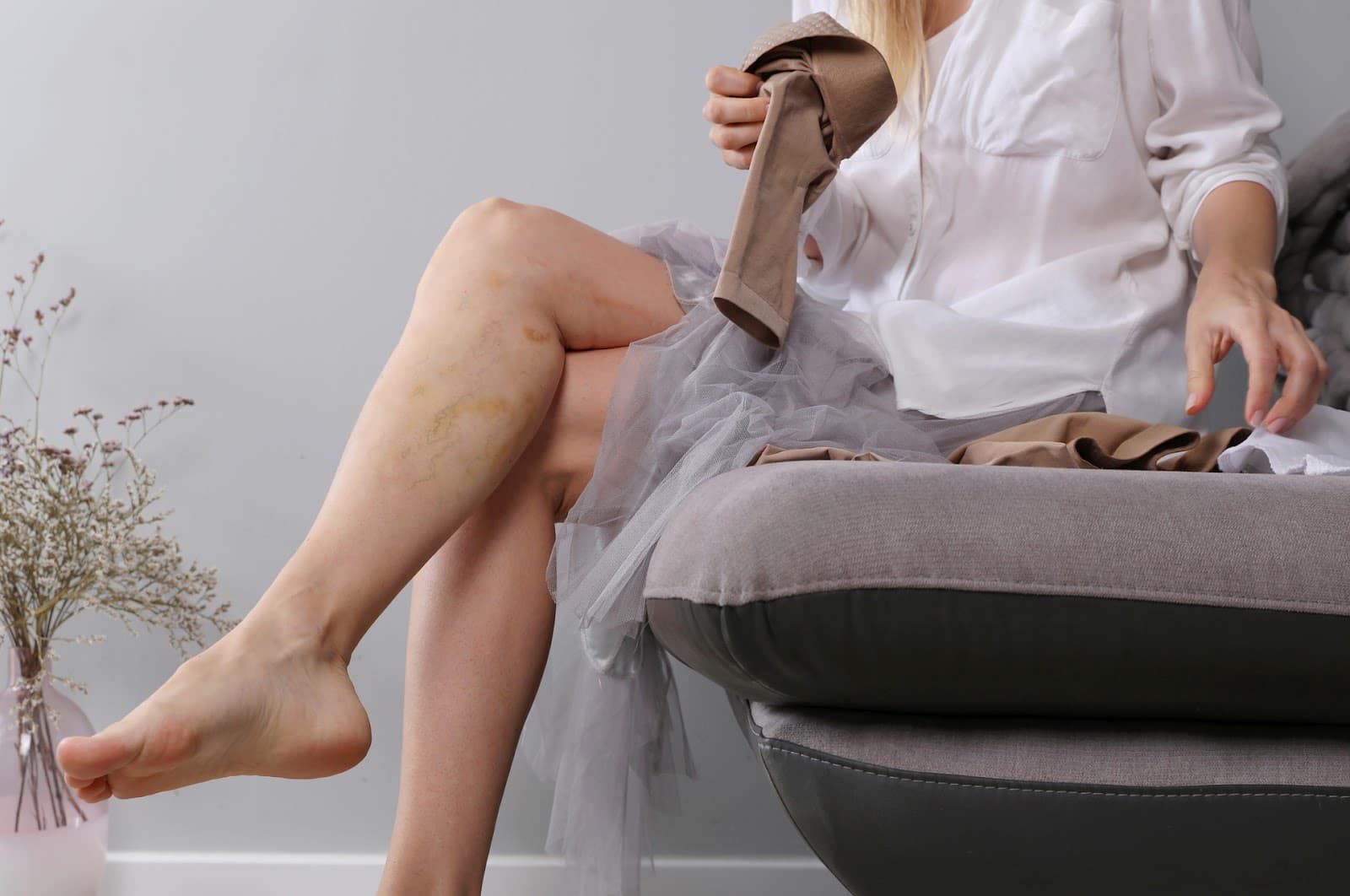
Varicose eczema, also known as stasis dermatitis, is a skin condition caused by poor blood flow in the veins, usually affecting the lower legs. It can lead to swelling, redness, and dry, itchy, or irritated skin. This condition is commonly linked to underlying vein problems, such as varicose veins, which affect circulation.
Without proper care, varicose eczema (stasis dermatitis) can worsen over time, increasing the risk of skin damage, infection, or more serious complications.
What is varicose eczema?
Varicose eczema is more than just dry or irritated skin. It is caused by venous insufficiency, where the veins in the legs cannot carry blood back to the heart properly. This leads to increased pressure in the veins, causing symptoms such as redness, itching, scaling, and sometimes weeping or sore skin.
Understanding what varicose eczema is matters because it often signals underlying vein disease, including varicose veins and poor circulation.
Treating the skin alone is not enough, addressing the underlying vein problem is key to preventing symptoms from worsening or returning.
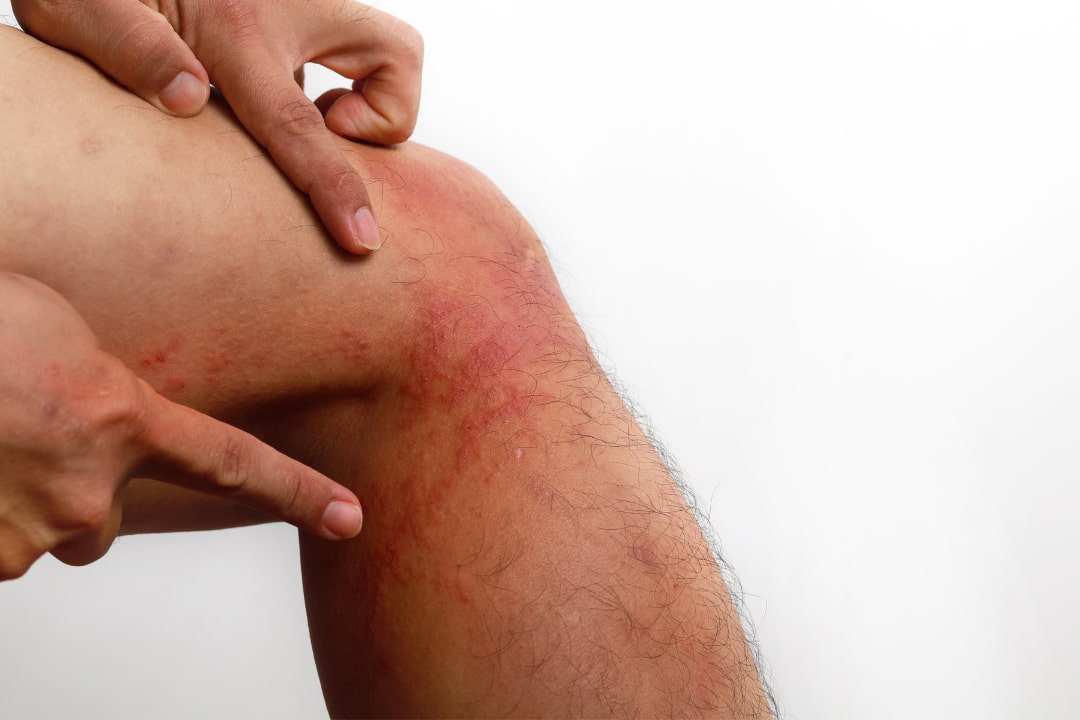
What does varicose eczema look like?
Varicose eczema usually appears on the lower legs or around the ankles.
The skin can show several signs, including:
Redness: the skin may look irritated or inflamed
Itchiness: often persistent and uncomfortable
Flaky or scaly patches: the skin may peel or look dry.
Discolouration: areas may become darker than the surrounding skin
In the early stages of varicose eczema, the signs may be mild, such as small dry patches or slight redness. Over time, the skin can become more irritated and harder to manage if it is not treated.
Symptoms of varicose eczema
Varicose eczema symptoms can start slowly and may get worse over time.
In the early stage of varicose eczema, the signs are often mild, but they can become more serious if they are not treated.
Symptoms include:
Itching,often the first and most noticeable symptom
Mild swelling in the lower legs or ankles
A feeling of heaviness in the legs, especially after standing
Dry or tight-feeling skin
As the condition progresses, symptoms can become more persistent, such as:
Increasing soreness or tenderness in the affected areas
More noticeable or ongoing swelling
Skin that becomes more fragile or easily irritated
In more advanced cases, the symptoms may include:
Cracked skin which can be painful
Oozing or weeping skin where fluid leaks and forms crusts.
Spotting varicose eczema symptoms early can help you manage the condition and stop it from getting worse.
What causes varicose eczema?
Varicose eczema, also called stasis dermatitis, is caused by poor blood flow in the leg veins. When the valves in the veins become weak or damaged, blood can pool in the lower legs instead of flowing back to the heart.
This leads to increased pressure in the veins, causing fluid to leak into the surrounding skin. As a result, the skin becomes inflamed, dry, and itchy.
Common causes of varicose eczema include varicose veins and chronic venous insufficiency, both of which affect healthy blood circulation in the legs.
Who is more likely to develop varicose eczema?
Knowing the main varicose eczema risk factors can help you spot symptoms early and protect your skin. This condition is usually caused by poor blood flow in the leg veins, and some people are more at risk than others.
You may likely to develop varicose eczema if you have:
Varicose veins
Older age
A family history of vein problems
A previous DVT (Deep Vein Thrombosis)
Chronic venous disease
Pregnancy
Obesity
Reduced mobility
Jobs that involve standing for long periods
Is varicose eczema dangerous?
Many people wonder if varicose eczema is dangerous, the good news is that it usually starts as a manageable skin condition, causing redness, itching, and dryness around the lower legs.
However, if left untreated, varicose eczema can progress. The skin may become thinner and more fragile, leading to breakdown. This can make the area prone to open sores,ulcers, or infections, which are more difficult to treat.
So while varicose eczema is not immediately life-threatening, it can become serious if ignored. Early management and care are key to preventing complications and keeping your skin and veins healthy.
Is varicose eczema reversible?
Varicose eczema can often be improved, and your symptoms may settle with the right care.
It isn’t always fully reversible, especially if your skin has been affected for a longtime. However, early and regular treatment can help reduce itching, redness,and dryness.
Treating the underlying vein problem is important. Better blood flow in your legs can ease pressure in the veins, help your skin heal, and lower the chance of flare-ups.
So, while it may not fully go away, many people see lasting improvement and can keep their symptoms well under control with the right treatment.
How is varicose eczema diagnosed?
A varicose eczema diagnosis is usually made through a clinical examination and a review of your symptoms. A specialist will look at the skin on your legs and ask about itching, dryness, swelling, and any history of varicose veins.
In some cases, a duplex ultrasound scan may be recommended to confirm a stasis dermatitis diagnosis and assess how well blood is flowing through the veins. This helps identify any underlying venous insufficiency and guides the most appropriate treatment.
Varicose eczema treatments
Varicose eczema treatments are designed to relieve symptoms and support skin health. A typical varicose eczema treatment plan may include:
Emollients: to keep the skin moisturised and reduce dryness
Topical steroids: to calm inflammation during flare-ups
Compression therapy: where suitable, to support circulation
Skin care advice: such as avoiding irritants and maintaining regular hydration
While these treatment scan be very effective at easing symptoms, they do not address the underlying vein problem. Treating venous insufficiency is often key to longer-term improvement.
What is the best cream for varicose eczema?
The best cream for varicose eczema is usually a moisturiser with a mild steroid cream.
Moisturisers keep skin soft and prevent cracking, while steroid creams reduce inflammation and itching during flare-ups. Mild over-the-counter options can help, but persistent eczema may need stronger creams prescribed by a GP or vein specialist.
For everyday care, thick emollients or barrier creams work best. During flare-ups, a topical steroid can calm irritation safely.
Using the right cream for varicose eczema consistently helps control symptoms, protect the skin, and prevent complications.
Treating the underlying vein problem
While creams and varicose eczema treatment can help manage symptoms, they do not address the root cause. In many cases, varicose veins and venous insufficiency are driving the condition by causing poor blood flow in the legs. This pressure can lead to ongoing skin irritation, meaning eczema may keep returning without proper treatment.
Treating the underlying vein problem can improve circulation and reduce the risk of flare-ups. Modern treatments for varicose veins, such as minimally invasive procedures, can help correct venous insufficiency and support long-term skin health.
By combining effective varicose eczema treatment with targeted vein care, patients can achieve better, longer-lasting results and reduce the chances of the condition coming back.
If you’re experiencing symptoms of varicose eczema, book a diagnostic assessment with a vascular specialist to identify the cause and find the right treatment for you.
When should you see a vein specialist?
If you’re wondering when to see a specialist for varicose eczema, it’s important to act when symptoms worsen or don’t improve with home care. Signs to watch for include increasing pain, swelling, or a rash that becomes more severe or spreads.
You should also seek specialist advice if your skin becomes hard, discoloured, or starts to weep fluid. Recurrent flare-ups, bleeding varicose veins, or any signs of skin breakdown or ulceration are strong indicators that the underlying vein problem may need treatment.
Seeing a vein specialist early can help prevent complications, improve symptoms, and ensure you receive the right care for long-term skin and vein health.
If you’re struggling with symptoms of varicose eczema, effective varicose eczema treatment is available. As this condition is often linked to underlying varicose veins, expert care can help address the root cause and improve long-term results.
Varicose eczema FAQs
How do you get rid of varicose eczema?
You can manage varicose eczema with moisturisers, medicated creams, and good skin care.However, long-term improvement often requires treating underlying varicose veins, as these can cause the condition to return.
Is varicose eczema reversible?
Varicose eczema can improve significantly with the right care, but it may not be fully reversible if the underlying vein problem is not treated. Managing varicose eczema treatment and addressing circulation issues can help control symptoms and prevent flare-ups.
What foods should I avoid with varicose eczema?
There is no specific diet that causes varicose eczema, but a healthy, balanced diet can support skin and vein health. Reducing excess salt may help with swelling, and staying hydrated is important for overall skin condition.
What is the best cream for varicose eczema?
The best cream for varicose eczema is usually a combination of a moisturiser and a mild steroid cream. Moisturisers protect the skin, while medicated creams reduce inflammation during flare-ups. More severe cases may need prescription treatments.
Can you treat varicose eczema at home?
Yes, you can treat varicose eczema at home with regular moisturising, avoiding irritants,and elevating the legs. However, home care may not fully resolve the condition, especially if varicose veins are the cause.
Is varicose eczema dangerous?
Varicose eczema is not usually dangerous, but it can lead to complications if untreated. Skin infections, ulcers, or worsening symptoms can occur, so it’s important to seek medical advice if your condition does not improve.
Explore cutting-edge leg vein treatments at UK Vein Clinic. From EVRF for varicose veins to Veinwave for spider veins, discover personalised treatments for optimal vascular health.
On Wednesday evening, we had the privilege of hosting our first “GP Vascular Masterclass” for over 50 GPs in person at the Hotel du Vin Wimbledon and virtually thanks to our partners at Radcliffe Vascular. It provided an invaluable platform for our fantastic doctors to exchange insights on vein treatments, navigating complexities, and getting to know the wonderful Wimbledon GPs.
Take our two-minute quiz
Take our two-minute diagnostic test to see if you could benefit from varicose vein treatment.
Try our comparison tool
Compare UK Vein Clinic with providers in your area
Compare now
Share Our Article
Share our article and help us to leave UK free of varicose veins
Download our free brochures
Discover our breakthrough minimally invasive treatments and hear directly from our expert vascular surgeons.
We're pleased to be able to provide our world-class varicose vein treatment in a variety of places throughout the United Kingdom. Learn more about your treatment options, including endovenous radio-frequency ablation (EVRF) and foam sclerotherapy, at the clinic closest to you.

 Call us on 0208 1873999Arrange a visit
.jpg)
.jpg)
.jpg)
.jpg)