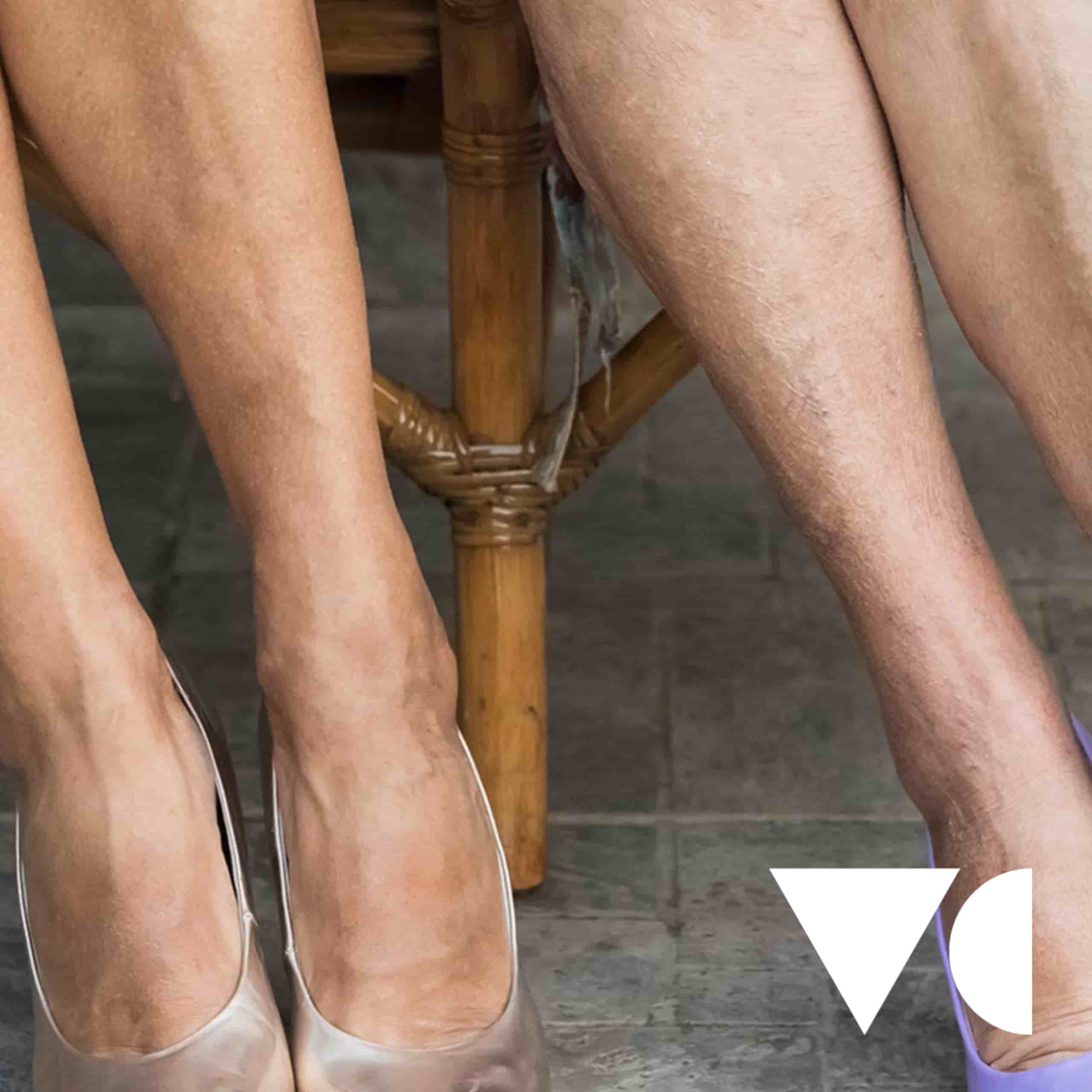
Spider veins are a common cosmetic concern that many people wish they could easily get rid of. These small, visible veins often appear close to the surface of the skin as fine red, blue, or purple lines, forming web-like patterns. Although they’re generally harmless and don’t cause pain, their appearance can be frustrating or affect self-confidence. Understandably, many people seek ways to reduce or remove them, ideally without resorting to medical procedures. This desire for a simple, non-invasive fix is what leads some to explore the use of creams and topical treatments for spider veins.
Creams for spider veins
There are many products on the market that claim to help reduce the appearance of spider veins, including those marketed as a cream for spider veins on the face. These topical treatments often contain active ingredients thought to support vein health or improve the look of the skin.
Vitamin K - Commonly used to reduce the appearance of bruising and redness caused by rosacea, vitamin K is often included in creams that promise to minimise spider veins. While it may provide a subtle improvement, this effect is temporary, as the ingredient mainly works to mask rather than treat the veins. Regular application is needed to maintain results.
Horse Chestnut - Derived from a traditional herbal remedy, horse chestnut extract is known for its anti-inflammatory properties and potential to strengthen vein walls. Creams containing this ingredient may slightly improve the appearance of spider veins, though results are typically short-lived.
Butcher’s Broom - This plant-based ingredient has mild steroid-like properties that may help reduce swelling and inflammation. It is also believed to tone and support blood vessel walls, which is why it appears in some spider vein creams.
Retinol - A form of vitamin A widely used in skincare, retinol is known for promoting cell turnover and improving overall skin texture. Some formulations claim that retinol can also help fade the visible appearance of spider veins, though scientific evidence for this specific benefit remains limited.
Do spider vein and thread vein creams work?
Spider vein cream does not permanently fix spider veins. While some products may temporarily improve the skin’s appearance or slightly reduce visible redness, these effects are only surface-level. The creams do not address the underlying issue, the damaged veins beneath the skin, which means the problem remains unchanged. To keep any visible improvement, you’ll need to apply the cream regularly, as the effects fade once you stop using it. If your goal is to briefly conceal spider veins, these creams may offer a short-term solution. However, for long-lasting or permanent results, professional vein treatments are required to target and remove the affected veins themselves.
Can you treat spider veins yourself?
It’s not possible to remove spider veins yourself. Once they appear, only professional treatments can eliminate them. However, there are simple steps you can take to help prevent new veins from forming and to ease any discomfort.
Regular exercise, maintaining a healthy weight, and avoiding long periods of sitting or standing can all improve circulation. Elevating your legs when resting and wearing compression stockings may also reduce pressure and swelling.
While these measures won’t make existing veins disappear, they can slow their progression and keep your legs feeling more comfortable. For lasting results, professional treatment is required.
What really works for spider veins?
The best treatment for spider veins is a professional, non-invasive procedure that targets the damaged veins directly. You don’t need surgery to remove them, modern treatments are quick, effective, and gentle on the skin.
One of the most advanced options is Veinwave, which uses a process called thermocoagulation. This technique applies a precise, controlled dose of heat to the affected vein, causing it to collapse and seal shut. The body then naturally reabsorbs the treated vein over time, leaving the skin clearer and smoother.
As Veinwave is completely non-invasive, it’s virtually painless and doesn’t harm the surrounding tissue, making it a safe and effective solution for lasting results.
Start with a primary appointment
If creams promising a quick and easy fix for your spider veins seem too good to be true, that’s because they are. While it may be tempting to try the seemingly easy solution, it’s important to understand what these creams actually do. While they may give a temporary cover, no cream will actually cause your spider veins to disappear, either in the short or long term.
If you are interested in pursuing a permanent solution for your spider veins, start by booking a primary appointment with one of our specialists, who can give you more information about your treatment options.
In this guide to varicose vein treatment costs, we look at what the NICE consider best practice and what patients should consider when evaluating the relative costs.
Varicose veins can cause discomfort and affect confidence, leading many to seek private treatment for faster, more effective solutions. This blog breaks down the costs of private varicose vein treatments in the UK, including factors such as treatment type, clinic location, and severity. Learn about popular procedures like Foam Sclerotherapy and Radiofrequency Ablation (RFA), how they compare to NHS options, and whether insurance can help cover costs. At UK Vein Clinic, we offer transparent pricing and flexible financing plans to make treatment more accessible. Book a diagnostic assessment today to take the next step toward healthier legs.
This blog compares the cost, effectiveness, and recovery times of modern varicose vein treatments such as Foam Sclerotherapy and Radiofrequency Ablation (RFA) with traditional vein stripping surgery. While older methods can be more invasive and expensive, newer treatments offer less pain, faster recovery, and fewer risks. The post also provides a cost breakdown for each treatment option in the UK and explains why Foam Sclerotherapy and RFA are increasingly preferred over traditional methods. Patients can make informed choices by consulting with experts at UK Vein Clinic for tailored treatment plans and pricing.
Understanding the cost of varicose vein treatment is essential for making an informed decision. This blog explores factors that influence pricing, including treatment type, clinic location, and healthcare provider. We compare NHS and private options, highlighting the benefits of reduced waiting times and advanced procedures. Learn how financing plans and insurance coverage can make treatment more accessible. At UK Vein Clinic, we offer consistent pricing across all locations—contact us today to discuss your options and start your journey toward healthier legs.
Take our two-minute quiz
Take our two-minute diagnostic test to see if you could benefit from varicose vein treatment.
Try our comparison tool
Compare UK Vein Clinic with providers in your area
Compare now
Share Our Article
Share our article and help us to leave UK free of varicose veins
Download our free brochures
Discover our breakthrough minimally invasive treatments and hear directly from our expert vascular surgeons.
We're pleased to be able to provide our world-class varicose vein treatment in a variety of places throughout the United Kingdom. Learn more about your treatment options, including endovenous radio-frequency ablation (EVRF) and foam sclerotherapy, at the clinic closest to you.

 Call us on 0208 1873999Arrange a visit