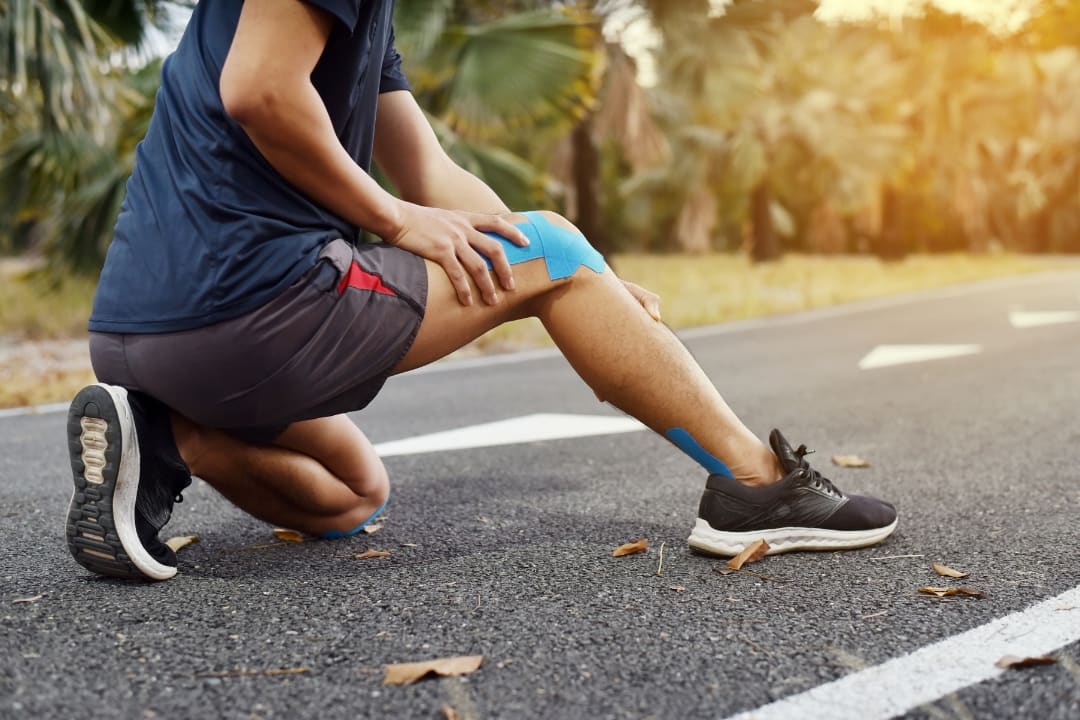
Knee pain is a common condition that can affect walking, daily movement, and general mobility. It may be linked to muscle weakness, joint stiffness, overuse, or long-term wear and tear. In many cases, keeping the knee gently active can help improve symptoms. Low-impact exercises can support the muscles around the joint, improve flexibility, and reduce stiffness over time. Below, we outline 5 simple exercises for knee pain that are easy to follow at home and designed to help improve strength and mobility when done regularly.
1. Straight leg raises
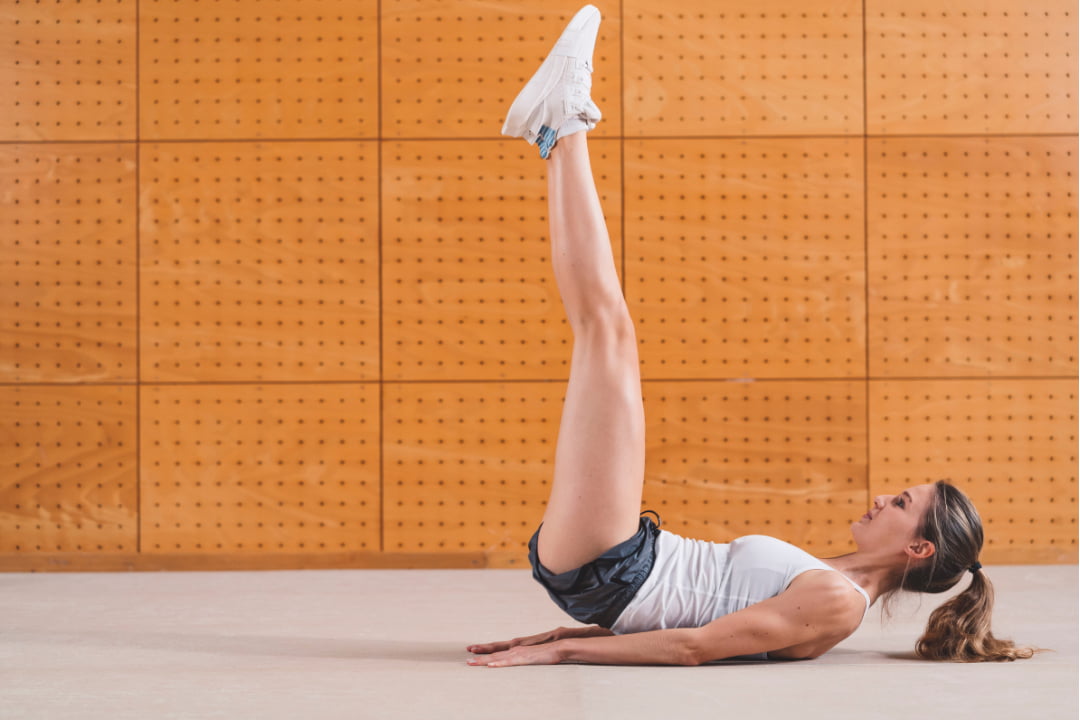
Straight leg raises are a simple and effective way to build strength in the muscles that support the knee, without placing pressure directly through the joint. They are often helpful for general knee weakness, early degenerative changes, or when returning to movement after a period of rest or reduced activity.
Lie on your back with one leg bent and the other straight. Tighten the thigh muscle on the straight leg and slowly lift it to around 45 degrees. Hold briefly, then lower it back down with control. Repeat 10 to 15 times on each leg.
The movement should feel controlled and steady, helping you build strength gradually over time.
2. Seated knee extensions
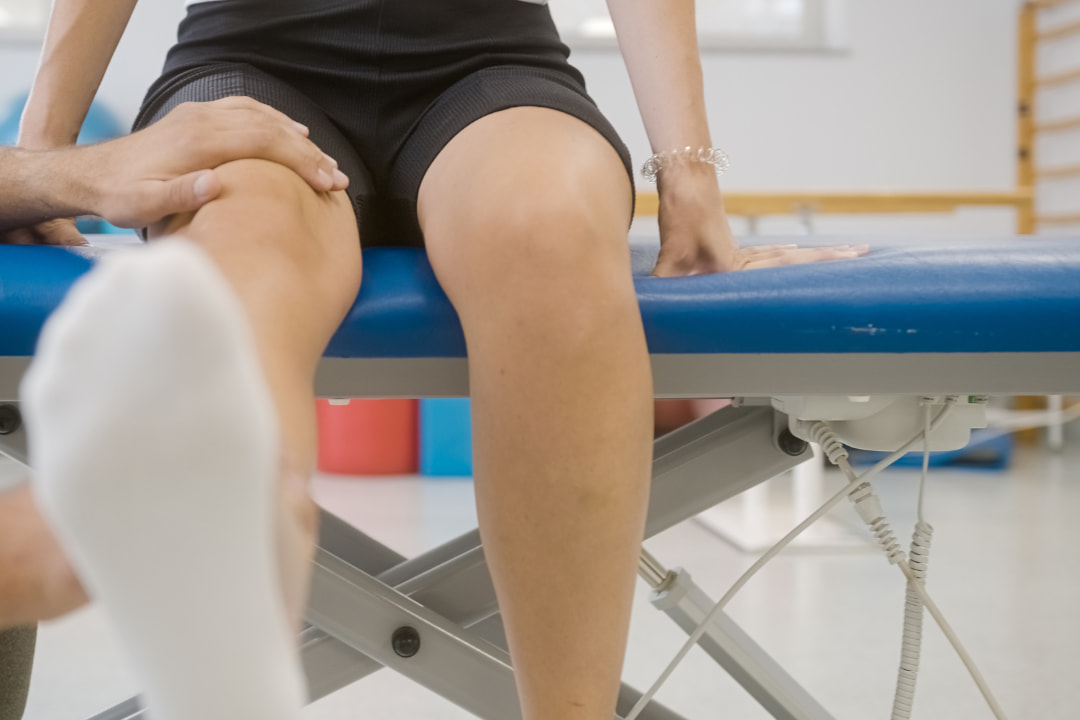
Seated knee extensions help improve strength and control in the front of the thigh,which plays a key role in supporting the knee during walking, standing, and climbing stairs. They can be particularly useful where there is discomfort around the kneecap or general muscle imbalance.
Sit upright on a chair with your feet flat on the floor. Slowly straighten one leg until it is level with the ground, hold for a few seconds, then lower it back down with control. Repeat 10 to 15 times on each leg.
This is a simple exercise, but when done consistently it can make a noticeable difference in daily movement.
3. Hamstring stretch
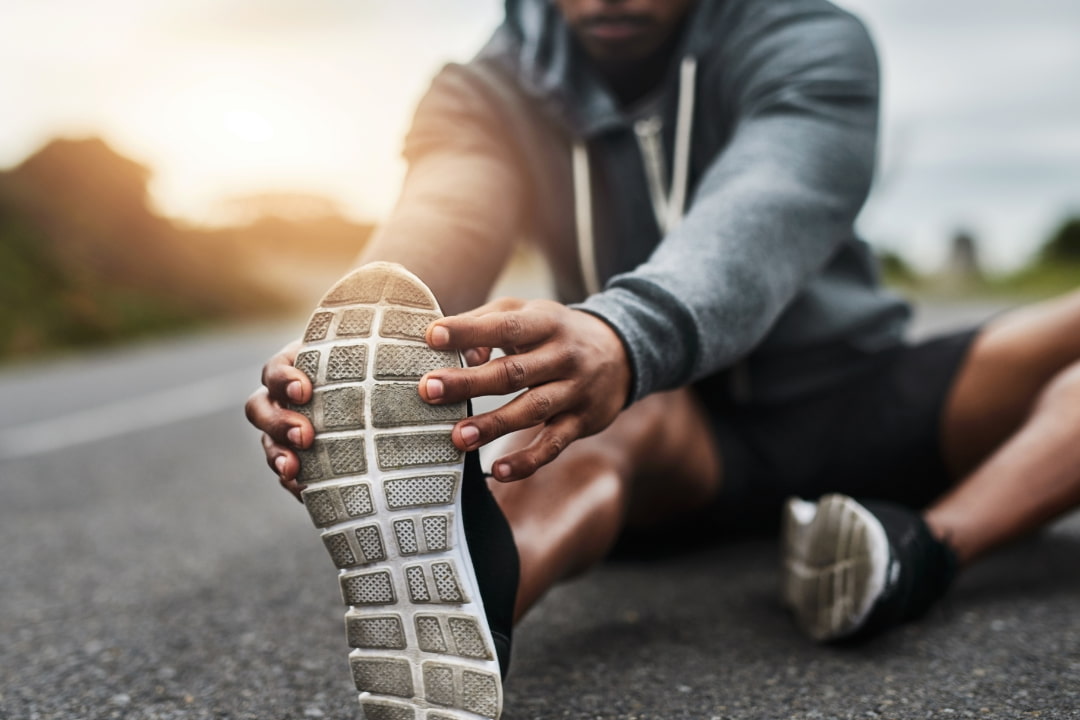
Gentle stretching of the hamstrings can help reduce tightness that may place extra strain on the knee joint. Improved flexibility in the back of the leg can support smoother movement and reduce stiffness, particularly if you spend long periods sitting.
Sit or lie comfortably and slowly straighten one leg. Gently reach towards your toes without forcing the movement. You should feel a mild stretch along the back of the leg. Hold for 20 to 30 seconds and repeat two to three times on each side.
The stretch should always feel comfortable and controlled.
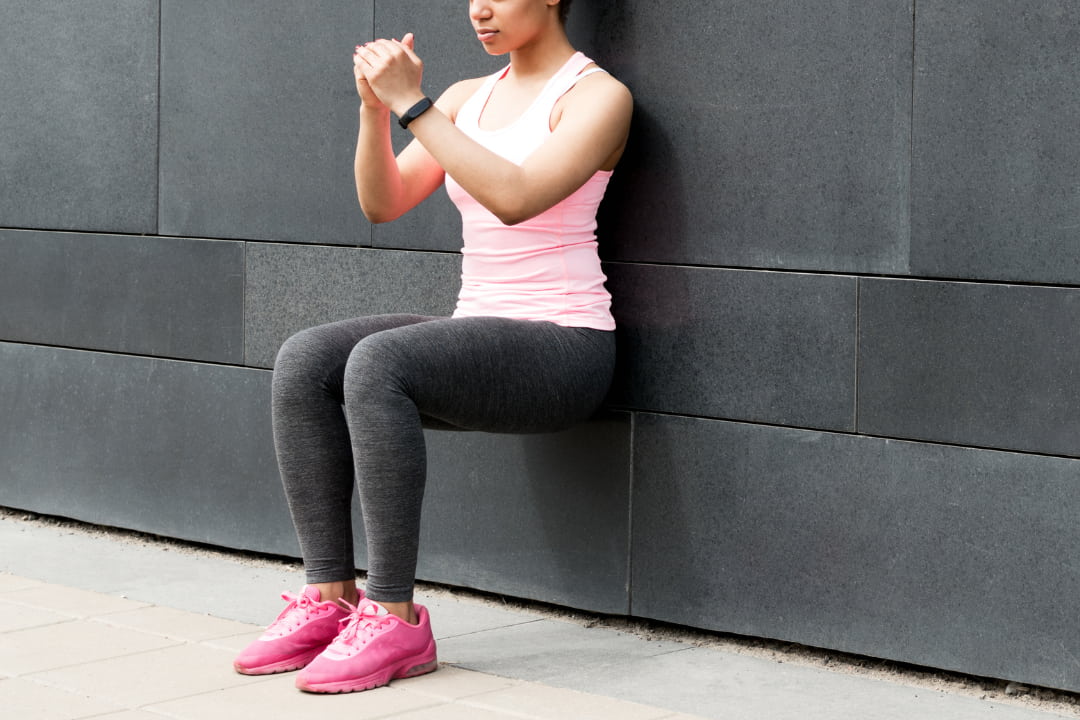
4. Partial wall squats
Partial wall squats help build strength in the quadriceps and glute muscles, which are essential for supporting and stabilising the knee. They are often used as part of early strengthening programmes and can help improve confidence in weight-bearing movement.
Stand with your back against a wall and slowly slide down into a small squat position. Only go as far as feels comfortable. Hold for a few seconds, then return to standing. Repeat 8 to 12 times.
Progress gradually and focus on control rather than depth.
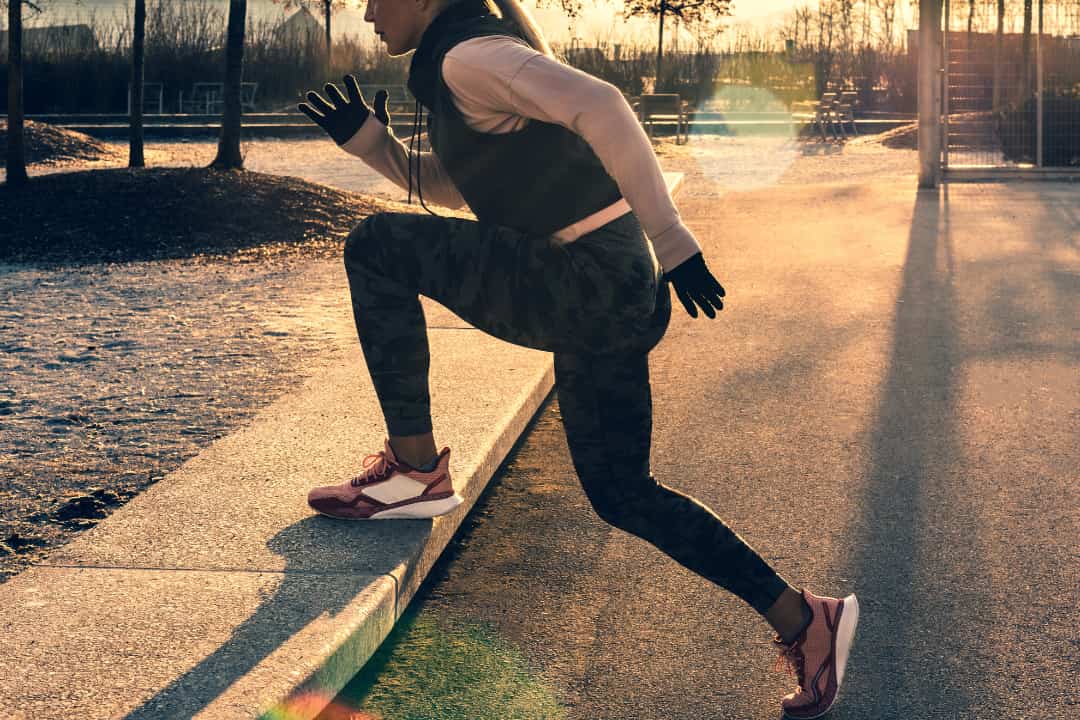
5. Step-ups
Step-ups are a functional exercise that helps improve strength, balance, and coordination. They support everyday movements such as climbing stairs and walking, making them particularly useful for rebuilding confidence in the knee.
Use a low, stable step. Step up with one foot followed by the other, then step back down in a controlled way. Repeat 10 times on each leg.
Support can be used if needed, especially when starting out.
Low-impact activity to support knee health
Alongside targeted exercises, low-impact activity can play an important role in maintaining joint health and keeping the knee moving comfortably.
Walking at a steady pace, swimming, cycling on flat ground or a stationary bike, and gentle stretching routines can all help support mobility without placing excessive strain on the joint.
When to stop exercising
Exercise should feel manageable and should not cause a significant increase in pain. It is normal to feel mild muscle effort, but sharp or worsening pain should not be ignored.
Stop if you experience increasing discomfort, swelling after activity, a feeling of instability, or any locking or catching in the joint.
If symptoms do not settle, further assessment is recommended.
When to seek advice
Knee pain that persists over time or begins to affect daily movement should always be reviewed by a healthcare professional. This includes difficulty walking, increasing stiffness, or symptoms that are not improving despite regular gentle exercise.
A professional assessment can help identify the underlying cause and rule out anything more serious. It also ensures you receive the most appropriate management plan based on your symptoms and overall joint health.
Early review can support better long-term outcomes and help you return to normal movement with greater confidence.
FAQ
What are the best exercises for bad knees?
The best exercises for bad knees are low-impact movements that build strength without putting too much pressure on the joint. Straight leg raises, seated knee extensions, partial wall squats, step-ups, and gentle hamstring stretches are commonly recommended. These help strengthen the muscles around the knee, improve stability, and support easier everyday movement when done regularly.
What is the number 1 mistake that makes knee pain worse?
One of the most common mistakes that makes knee pain worse is resting too much or stopping all movement. While rest can help during flare-ups, long periods of inactivity can make the muscles weaker and the joint stiffer. This can actually increase pain over time. Another mistake is doing too much too soon, especially high-impact exercise before the knee is ready.
Does walking help knee pain?
Yes, walking can help most types of knee pain when done gently and consistently. It keeps the joint moving, supports circulation, and helps maintain strength in the muscles around the knee. It’s best to start with short, flat walks at a comfortable pace and gradually increase activity as symptoms allow. If walking causes sharp or worsening pain, it should be reduced and reviewed.
What is the fastest way to ease knee pain at home?
The fastest way to ease mild knee pain at home is usually a combination of rest, gentle movement, and simple self-care. Short periods of rest, light stretching, and low-impact exercises can help reduce stiffness. Applying ice can also help if there is swelling or soreness after activity. Keeping the knee gently active is often more effective than complete rest.
What exercises should you avoid with knee pain?
Exercises that put high impact or deep pressure through the knee should usually be avoided, especially during flare-ups. This includes running, jumping, deep squats, lunges that go too low, and heavy weightlifting involving the legs. Twisting movements under load can also aggravate symptoms. It’s important to avoid anything that causes sharp pain or increases swelling afterwards.
Explore cutting-edge leg vein treatments at UK Vein Clinic. From EVRF for varicose veins to Veinwave for spider veins, discover personalised treatments for optimal vascular health.
On Wednesday evening, we had the privilege of hosting our first “GP Vascular Masterclass” for over 50 GPs in person at the Hotel du Vin Wimbledon and virtually thanks to our partners at Radcliffe Vascular. It provided an invaluable platform for our fantastic doctors to exchange insights on vein treatments, navigating complexities, and getting to know the wonderful Wimbledon GPs.
Take our two-minute quiz
Take our two-minute diagnostic test to see if you could benefit from varicose vein treatment.
Try our comparison tool
Compare UK Vein Clinic with providers in your area
Compare now
Share Our Article
Share our article and help us to leave UK free of varicose veins
Download our free brochures
Discover our breakthrough minimally invasive treatments and hear directly from our expert vascular surgeons.
We're pleased to be able to provide our world-class varicose vein treatment in a variety of places throughout the United Kingdom. Learn more about your treatment options, including endovenous radio-frequency ablation (EVRF) and foam sclerotherapy, at the clinic closest to you.

 Call us on 0208 1873999Arrange a visit