When summer arrives, many people look forward to sunshine, holidays, and outdoor activities. But if you live with varicose veins, the heat can bring more than just a golden tan, it can also intensify uncomfortable symptoms like swelling, heaviness, and aching in your legs. Understanding how warmer weather affects varicose veins, and what you can do to stay comfortable, can make a big difference in how you experience the season.
Why Do Varicose Vein Symptoms Worsen in Summer?
Increased temperatures naturally cause the blood vessels in your body to dilate. This helps cool you down by allowing more blood to flow near the surface of your skin. However, for those with varicose veins, where the valves inside the veins are already weakened or not functioning properly, this dilation can lead to more blood pooling in the legs, resulting in symptoms that feel more intense during hot weather.
Common heat-related symptoms include:
- Heaviness or aching in the legs
- Increased swelling, particularly in the lower legs and ankles
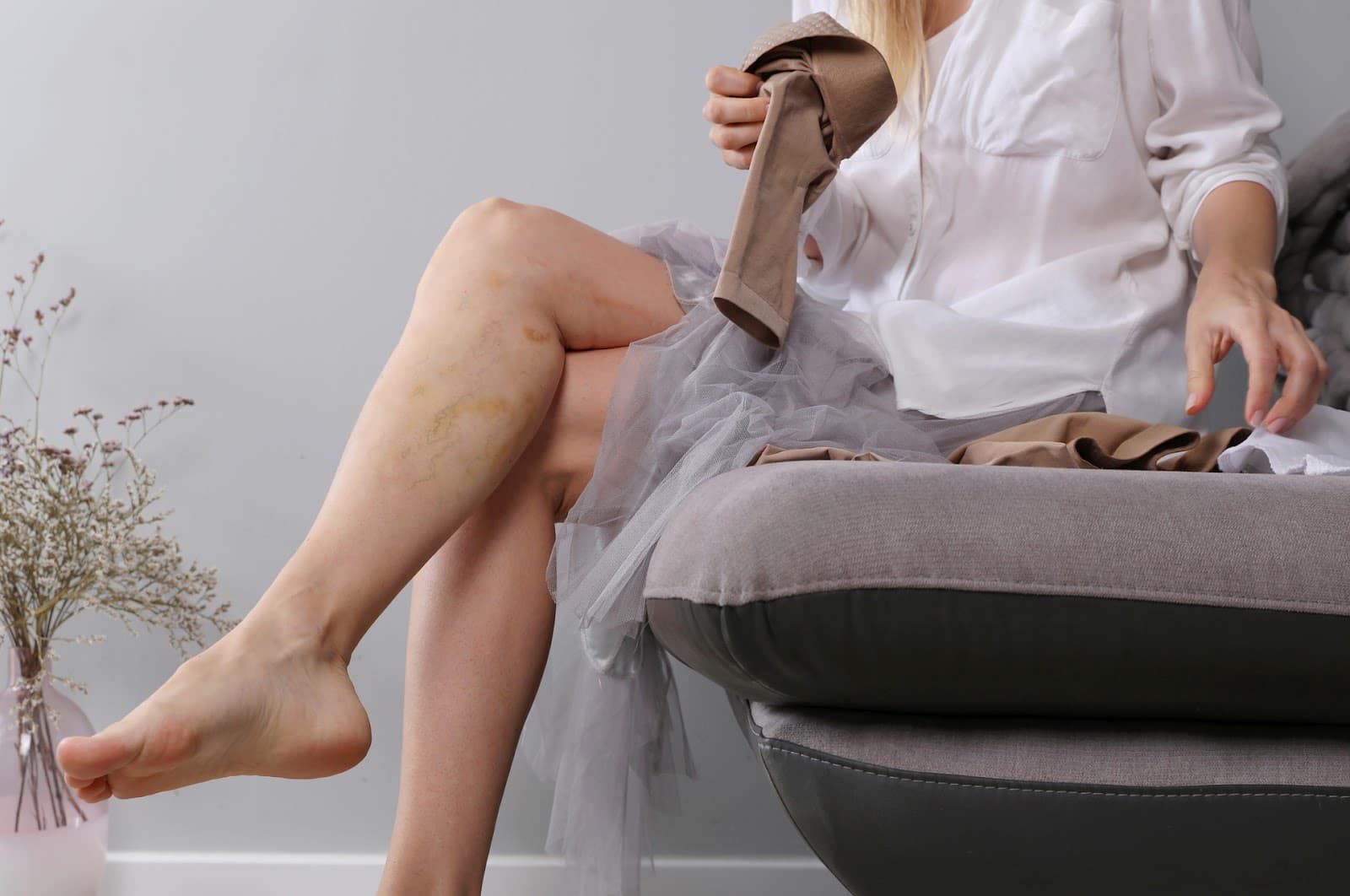
- Visible bulging or darkening of existing varicose veins
- Throbbing or cramping, especially after being on your feet for long periods
How to Stay Comfortable in the Heat
Fortunately, there are several practical and effective ways to manage varicose vein symptoms when the temperature rises. By adjusting your routine and incorporating simple wellness practices, you can enjoy summer without letting vein discomfort slow you down.
1. Elevate Your Legs
Gravity is one of the main contributors to vein discomfort, especially when you're standing or sitting for long periods. To reduce this, make a habit of elevating your legs whenever possible.
Tip: Lie back and rest your legs above heart level for 15–20 minutes a few times a day. This helps reduce pressure in the veins and encourages healthy circulation.
2. Stay Hydrated
Dehydration thickens the blood and can reduce the efficiency of your circulatory system. Drinking plenty of water supports healthy blood flow and helps minimise swelling in the legs and feet.
Tip: Aim for 6–8 glasses of water a day, and increase your intake if you're sweating more due to heat or exercise.
3. Use Cool Compresses
Cool compresses can provide immediate relief from heat-related vein discomfort. Applying a cold, damp towel to your legs helps constrict the blood vessels slightly, reducing inflammation and soothing the area.
Tip: Keep a clean cloth in the fridge and apply it to your legs after being outdoors or whenever you notice symptoms intensifying.
4. Choose Lightweight, Breathable Clothing
Tight or heavy fabrics can restrict circulation and trap heat, exacerbating symptoms. During the summer months, opt for light, loose-fitting clothing that allows your skin to breathe and doesn't place unnecessary pressure on your legs.
Tip: Natural fibres like cotton and linen are ideal for warm-weather wear and can help keep you cool while supporting better circulation.
5. Stay Active but Keep It Cool
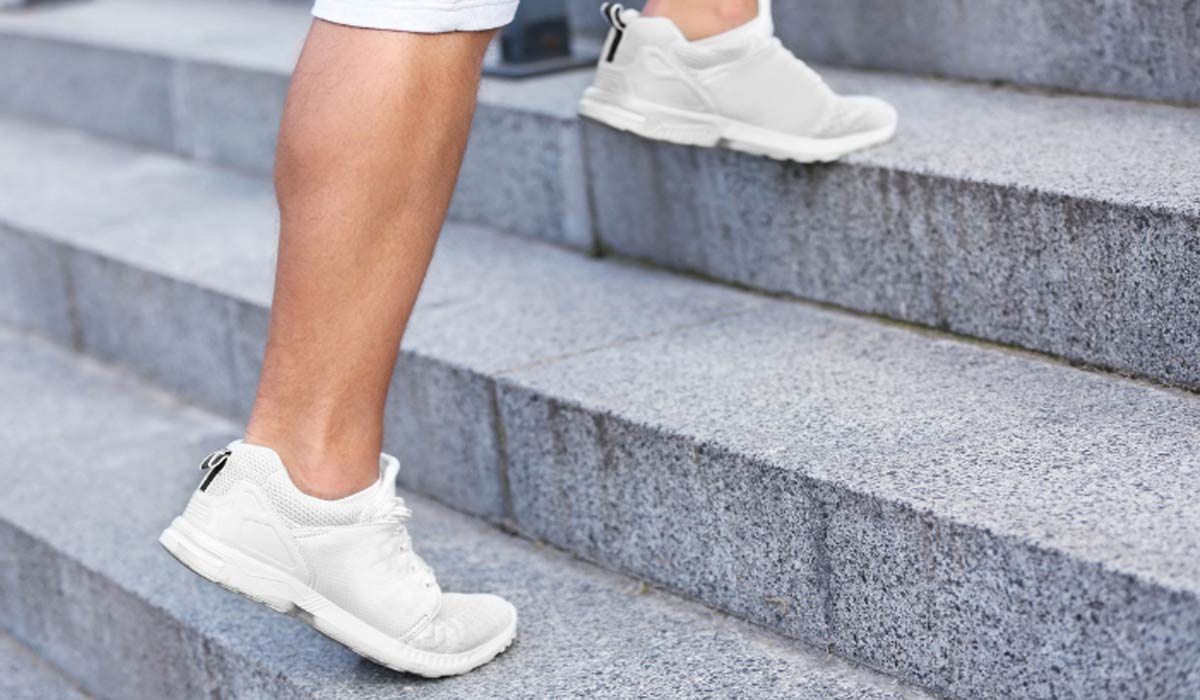
Movement encourages blood flow and reduces the likelihood of blood pooling in the lower limbs. While high temperatures may make intense workouts less appealing, low-impact activities like swimming, walking in shaded areas, or gentle yoga can help keep your veins healthy without overheating.
Tip: If you prefer indoor exercise, try using a stationary bike or doing leg stretches while watching TV.
6. Avoid Prolonged Standing or Sitting
Sitting or standing for extended periods without movement can lead to increased pressure in the veins. Whether you're at work or on holiday, make an effort to move around regularly.
Tip: Set a timer to remind yourself to stretch or walk around every 30–45 minutes if you're at a desk or on a long journey.
Can Heat Cause New Varicose Veins to Form?
While heat itself doesn't cause varicose veins, it can worsen the appearance of existing veins and make symptoms more noticeable. Varicose veins develop when the valves inside the veins weaken, and this underlying issue isn’t caused by temperature. However, if you’re predisposed to vein issues due to genetics, pregnancy, lifestyle, or age, heat-related dilation of the veins can certainly bring those symptoms to the surface more quickly.
When to Consider Seeking Treatment
If summer heat is making your varicose veins particularly uncomfortable or if you're noticing new or worsening symptoms, it may be time to consider professional treatment. Minimally invasive options such as radiofrequency ablation or foam sclerotherapy can be performed year-round, and early intervention often results in better long-term outcomes.
Treating varicose veins doesn’t mean you’ll need to take time out of your summer. Many modern treatments are walk-in, walk-out procedures with minimal recovery time. In fact, addressing your vein concerns now can help you feel more confident and comfortable as you enjoy the rest of the season.
Take Control of Your Summer Comfort
Summer doesn’t have to be a season of discomfort for those with varicose veins. By understanding how heat affects your circulation and taking simple steps to support vein health, you can stay cool, mobile, and confident throughout the warmer months.
Whether you’re enjoying a beach holiday, a garden BBQ, or simply relaxing at home, your comfort matters. With the right approach, you can beat the heat and keep your veins happy all summer long.

 Call us on 0208 1873999Arrange a visit