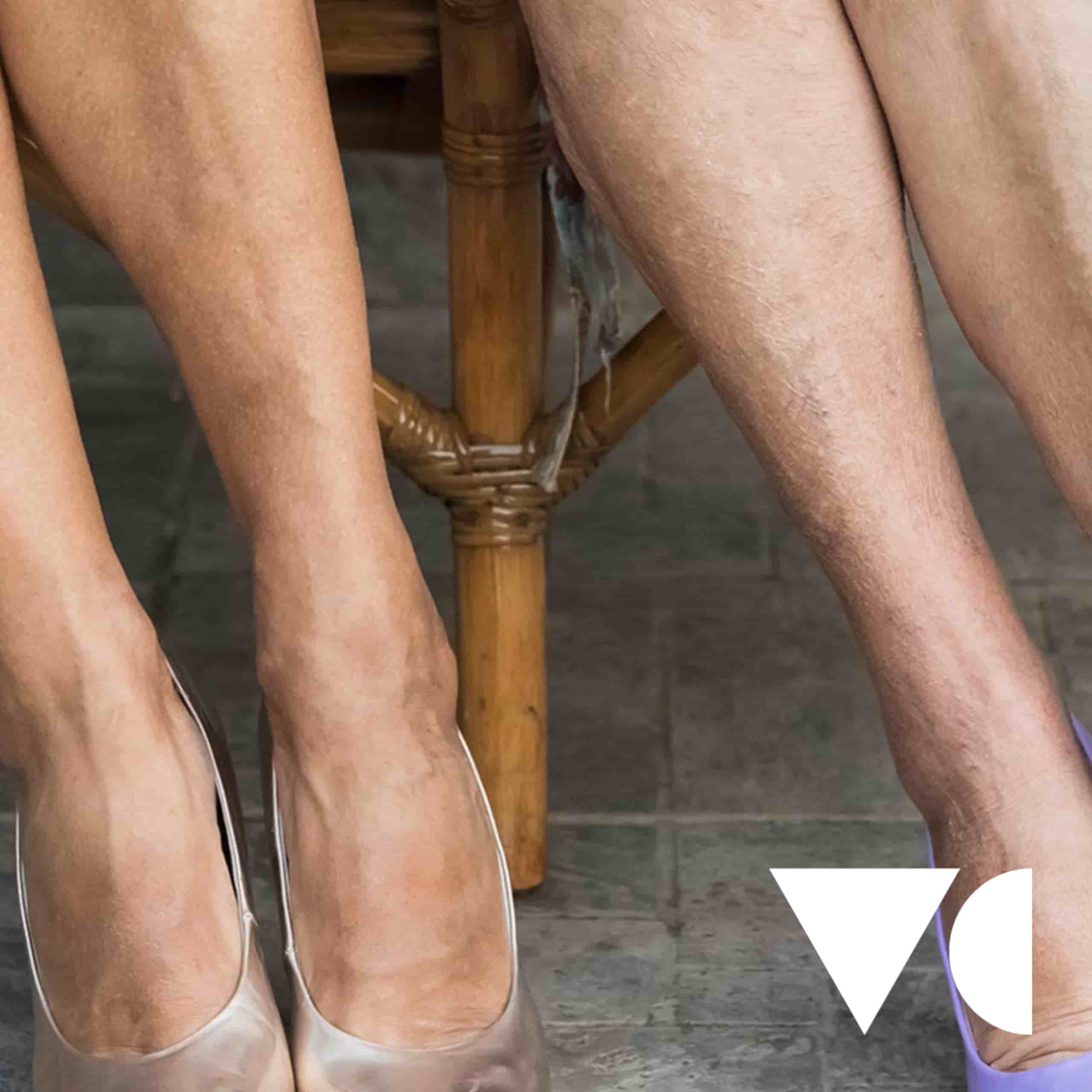
Deep Vein Thrombosis (DVT) is a medical condition where a blood clot forms in a deep vein, most commonly in the legs. It typically occurs in the lower limbs but can also appear in the upper thigh area. Whilst completely manageable, when left untreated, it can lead to other complications– that’s why it’s important to know the signs and symptoms and act in goodtime.
Understanding Deep Vein Thrombosis
The blood clots from a DVT can obstruct blood flow, sometimes leading to swelling and pain but can, at times, have no obvious physical symptoms at all. Although relatively low risk, if a clot dislodges, the worry would be that it can travel to the lungs, potentially causing a pulmonary embolism.
Who Is Affected by DVT?
DVT can affect individuals across various demographics, but certain factors increase susceptibility:
- Age: While DVT can occur at any age, individuals over 60 are at a higher risk.
- Prolonged Inactivity: Extended periods of immobility, such as long-haul flights or bed rest, can slow circulation in the veins.
- Injury or Surgery: Damage to veins from surgery or trauma can increase this risk slightly.
- Pregnancy: Pregnancy increases the pressure in the veins in the pelvis and legs which means the risk of blood clots are higher, including for up to six weeks after a baby is born.
- Medical Conditions: Certain conditions, including varicose veins and venous insufficiency, can contribute to the development of DVT.
- Medications: Certain medications, such as contraceptive pills and hormone replacement therapy, have been associated with an increased risk of DVT.
How To Prevent a DVT
Preventing DVT involves addressing the parts of our lifestyle that can decrease our overall risk:
- Stay Active: Regular physical activity promotes healthy blood circulation, using your calf muscle pump to get blood flowing to your heart and back.
- Manage Weight: Maintaining a healthy weight helps to reduce pressure on the veins, encouraging healthy circulation.
- Stay Hydrated: Proper hydration helps maintain optimal blood thickness.
- Consider Compression Stockings: These can aid in encouraging good blood circulation, preventing blood pooling in the legs, especially during long periods of inactivity.
When to Seek Medical Attention
If you experience symptoms suggestive of DVT, such as swelling, pain, or discoloration in the leg, it's imperative to seek medical evaluation promptly. Early diagnosis and treatment can prevent complications.
In conclusion, awareness of DVT, its risk factors, and preventive measures is vital for early detection and prevention. By staying informed and proactive, you can significantly reduce the risk of developing deep vein thrombosis.

 Call us on 0208 1873999Arrange a visit