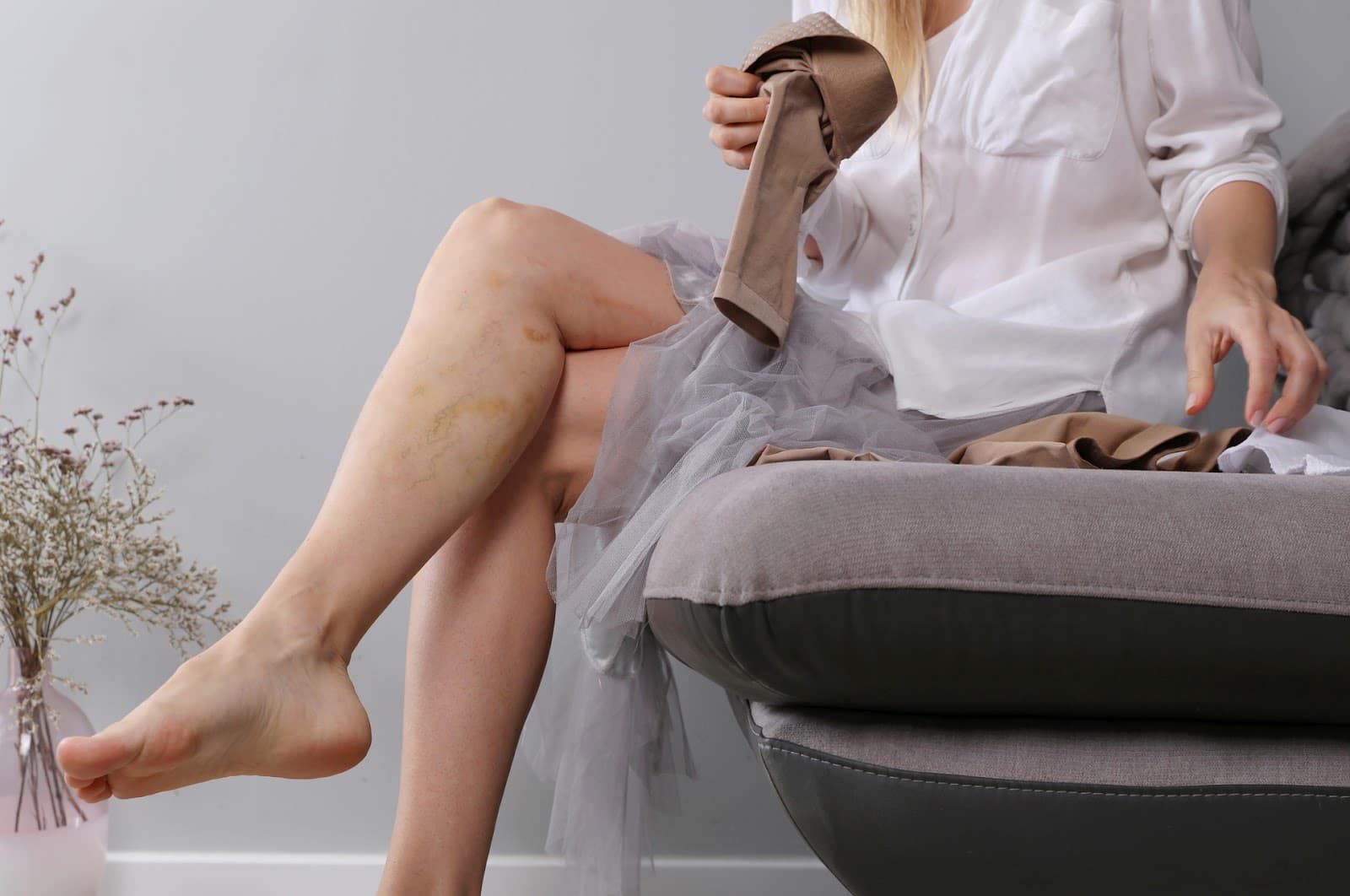
If your varicose vein bursts, you can usually stop the bleeding by lying down, lifting your leg, and applying firm pressure, and most cases are not life-threatening. A burst varicose vein can look alarming because it may bleed more than a small cut. However, staying calm and acting quickly is usually enough to control it.
Varicose veins are swollen veins just under the skin, usually in the legs. They form when the valves inside the veins weaken, causing blood to pool and increase pressure. Over time, this can make the vein bulge and the skin above it thinner and more fragile, which is why bleeding can sometimes happen.
Although this is not common, it’s important to know what to do. Simple first aid steps can quickly bring the situation under control and help you feel more prepared.
Can a varicose vein actually burst?
Yes, a varicose vein can burst, although it is relatively uncommon. A varicose vein breaks when prolonged increased pressure inside the weakened vein causes the vessel wall to thin and eventually rupture. Because these veins sit close to the surface of the skin, ongoing venous pressure, combined with skin thinning over time, makes them more vulnerable to breaking. Even minor trauma, such as knocking your leg against furniture, scratching dry skin, or friction from clothing can trigger bleeding. People with advanced vein disease, very prominent veins, fragile skin, or a history of ulcers are at higher risk.
What happens when a varicose vein bleeds?
When a varicose vein bleeds, blood will flow from the ruptured vein and the surrounding tissue may become swollen due to the accumulation of blood, and will more than likely be tender to touch.
Over time, repeated episodes of bleeding can lead to skin changes, such as discolouration and the development of open sores or ulcers, however, it is essential to seek immediate medical attention if you experience bleeding from a varicose vein. Healthcare professionals can assess the severity of the bleeding, provide appropriate treatment, and offer guidance on wound care and prevention of future bleeding episodes.
What does it look like when a varicose vein bursts?
A burst varicose vein can look different depending on whether the bleeding happens through the skin (external rupture) or under the skin (internal rupture). Both can sometimes look alarming, but they have clear signs you can look out for.
With an external rupture, you might notice:
Sudden bleeding from a varicose vein, sometimes after a small knock or scratch
Blood that may flow more heavily than a normal cut
Thin or fragile skin around the vein before it happens
Little or no pain at first, despite the amount of bleeding
Because varicose veins are under higher pressure than normal surface veins, the bleeding can seem dramatic. It may even spurt slightly rather than slowly ooze. Although this can look serious, firm pressure and leg elevation will usually help bring it under control quickly. If you see visible bleeding from a known varicose vein, it is likely that the vein has burst and needs prompt first aid.
Signs of an internal rupture might look a bit different and can include:
Sudden swelling in part of the leg
Rapid bruising or a large purple patch spreading under the skin
Tenderness or a feeling of tightness in the area
Mild to moderate pain
The bruising may appear quickly and look darker or more widespread than a typical bruise. This happens because blood has leaked into the surrounding tissues. If you notice sudden bruising and swelling around a varicose vein without any injury you can remember, it may be a sign that the vein has ruptured internally.
Is it a blood clot or a burst varicose vein?
It can be difficult to tell the difference at first, but a blood clot and a burst varicose vein usually present in different ways. A burst varicose vein typically causes sudden, visible bleeding or rapid bruising and swelling in a specific spot, often after minor trauma, along with immediate pain or tenderness. In contrast, a blood clot usually does not cause external bleeding. Instead, it may cause persistent leg pain, warmth, redness, firmness along a vein, or more generalised swelling of the calf or entire leg. A clot often develops gradually rather than suddenly and may be accompanied by a heavy or tight sensation. If there is significant swelling, increasing pain, warmth, or symptoms affecting the whole leg, especially with shortness of breath or chest pain, urgent medical assessment is essential to rule out a serious clot.
Can you die from a burst varicose vein?
In most cases, a burst varicose vein does not lead to a fatal outcome. However, it can cause significant pain, discomfort, and can cause some secondary complications if left untreated. The primary concern with a ruptured varicose vein is the potential for excessive bleeding, skin damage, and infection in the affected area.
Although it is uncommon, severe bleeding from a ruptured varicose vein may require medical intervention to control and manage the bleeding. In these cases, a healthcare professional can evaluate the extent of the bleeding and take appropriate measures to address it, which could include surgical intervention or other medical procedures.
Immediate first aid for a bleeding varicose vein
If you experience a bleeding varicose vein, act quickly but stay calm, following these steps:
Lie down and elevate your leg – Raise the affected leg above the level of your heart. This reduces blood pressure in the vein and helps slow the bleeding.
Apply direct pressure – Use a clean cloth, towel, or bandage and press directly over the bleeding site. Maintain steady pressure for at least 10 minutes without lifting the cloth to check.
Secure a dressing – Once the bleeding has slowed or stopped, apply a firm bandage to keep pressure on the area.
Stay calm and seek medical attention – Even if the bleeding stops, it’s important to have it assessed by a healthcare professional to prevent recurrence and address the underlying vein issue. If bleeding does not stop after sustained pressure, call emergency services.
Medical treatment options for a burst varicose vein
After a burst varicose vein, a medical assessment is important to confirm the diagnosis and reduce the risk of it happening again. Your clinician will usually examine the affected area and arrange a duplex ultrasound scan, which allows them to assess blood flow, identify damaged veins, and check for any underlying venous insufficiency or clotting. This painless scan helps guide the most appropriate treatment plan.
Treatment options may include:
Compression therapy – Medical-grade compression stockings help improve circulation, reduce venous pressure, and support healing. While they don’t remove varicose veins, they can help manage symptoms and lower the risk of further bleeding.
Sclerotherapy – A minimally invasive procedure where a solution is injected into the affected vein, causing it to seal and gradually fade. This is commonly used for smaller varicose veins and can reduce the risk of recurrence.
Endovenous Radiofrequency Ablation Treatment (EVRF) – A highly effective, minimally invasive treatment that uses targeted heat energy to close the faulty vein from the inside. Blood is naturally redirected to healthier veins, relieving pressure and preventing further complications.
Minor surgery (in rare cases) – In more advanced or recurrent cases, procedures such as vein ligation or stripping may be recommended. This is less common today due to the success of minimally invasive techniques.
If you’ve experienced a burst varicose vein, don’t ignore it. Seeking expert assessment can help prevent future bleeding and protect your long-term vein health.
Get in touch with us now for advice on bursting varicose veins.
Explore cutting-edge leg vein treatments at UK Vein Clinic. From EVRF for varicose veins to Veinwave for spider veins, discover personalised treatments for optimal vascular health.
On Wednesday evening, we had the privilege of hosting our first “GP Vascular Masterclass” for over 50 GPs in person at the Hotel du Vin Wimbledon and virtually thanks to our partners at Radcliffe Vascular. It provided an invaluable platform for our fantastic doctors to exchange insights on vein treatments, navigating complexities, and getting to know the wonderful Wimbledon GPs.
Take our two-minute quiz
Take our two-minute diagnostic test to see if you could benefit from varicose vein treatment.
Try our comparison tool
Compare UK Vein Clinic with providers in your area
Compare now
Share Our Article
Share our article and help us to leave UK free of varicose veins
Download our free brochures
Discover our breakthrough minimally invasive treatments and hear directly from our expert vascular surgeons.
We're pleased to be able to provide our world-class varicose vein treatment in a variety of places throughout the United Kingdom. Learn more about your treatment options, including endovenous radio-frequency ablation (EVRF) and foam sclerotherapy, at the clinic closest to you.

 Call us on 0208 1873999Arrange a visit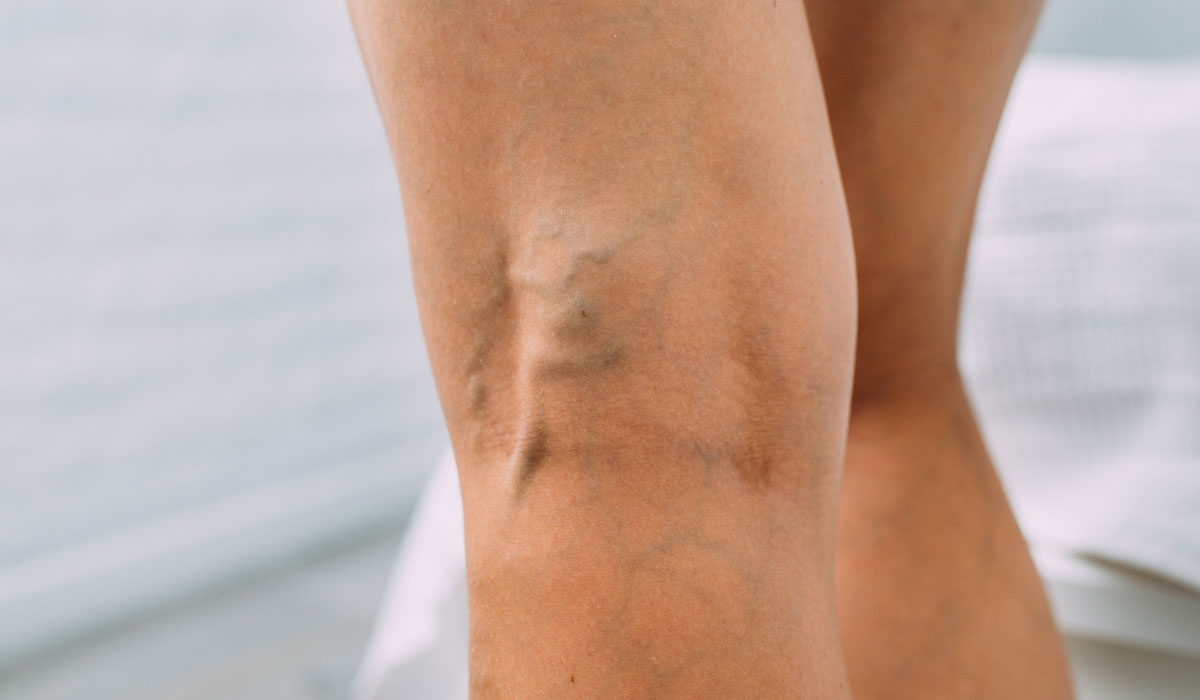
.png)