Blog

Winter Is The Perfect Time To Prepare Your Legs For Summer

Winter Is The Perfect Time To Prepare Your Legs For Summer

Winter Is The Perfect Time To Prepare Your Legs For Summer

As we enter the winter months, it’s probably fair to say that your legs won’t be on display very much. Now is the season of wooly jumpers, thick jeans and jackets, and curling up under a blanket. But while the appearance of your legs might be the last thing on your mind right now, it’s important to bear in mind that springtime will be coming back around before we know it. This of course, means shorts, skirts - and for some of us, feeling self-conscious about our legs. 

It’s easy to put varicose veins out of our minds during the colder months, but in our experience, this is actually the best time to get treatment. So if you’ve been putting off getting your veins treated, keep reading to find out why now is the best time to take that leap…

But First - What Treatments Should I Be Considering?

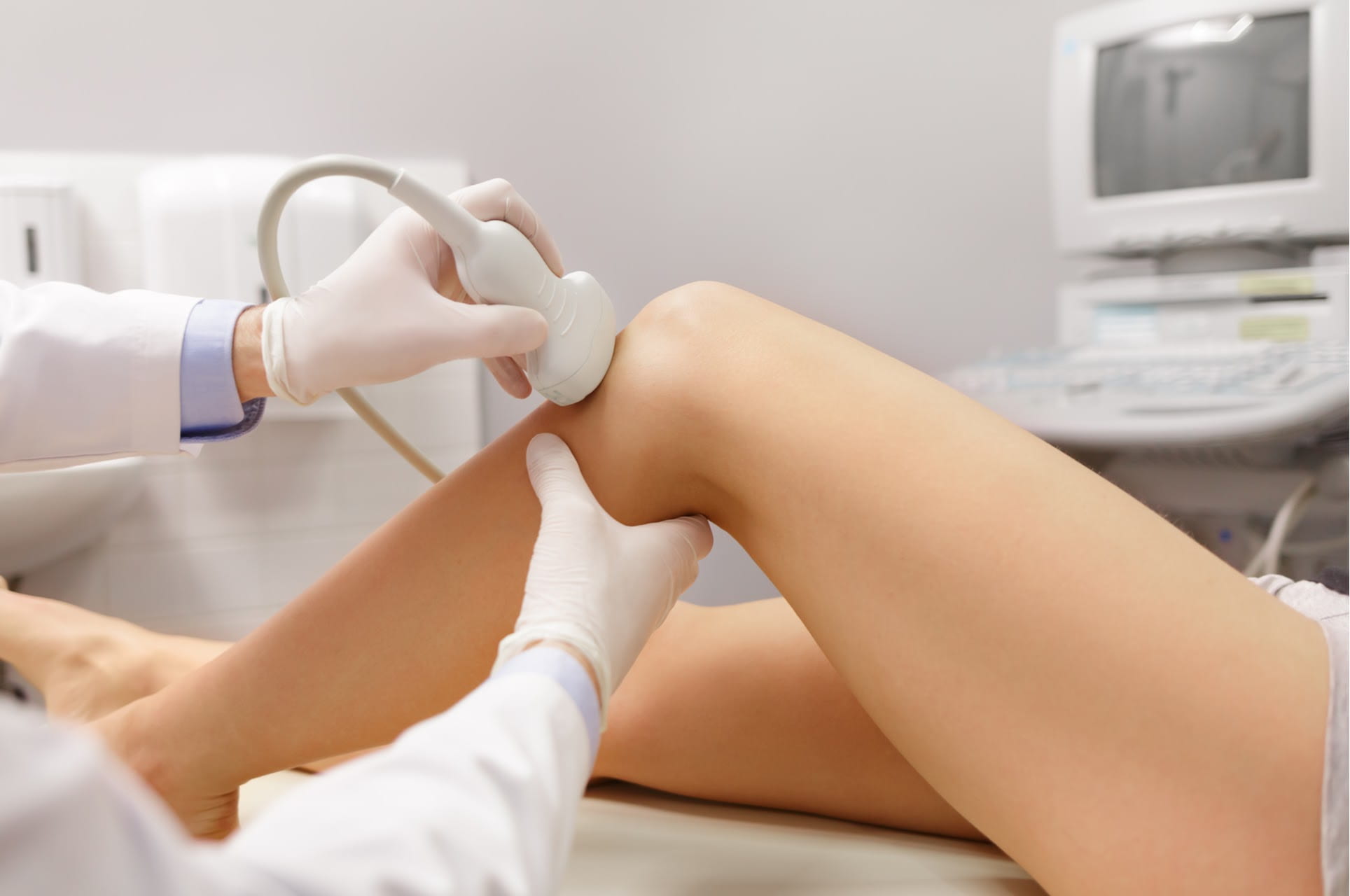
If you’re looking to get spider veins treated, these are generally removed through Veinwave (thermal coagulation) for the face and Micro Sclerotherapy for the legs. Varicose veins may run deeper and are best diagnosed through Duplex ultrasound, before being treated through Radiofrequency Ablation or Sclerotherapy

While recovery time for these procedures is generally very fast, meaning you’ll be able to get back to normal life quickly, it can take a while for your legs to visibly heal. How long this takes will vary from person to person, and will also depend on the size of the veins being treated. But whichever procedure your doctor chooses, you’ll benefit from starting your treatment in the winter - and here’s why...

Why Winter Is The Best Time For Vein Treatments

Having your legs covered up by warm winter clothing can be used to your advantage in the case of vein treatments. Here are a few things that make this season the best for getting treatment: 
  1. You can hide any bruising from your treatment under long trousers or tights: While all the treatments mentioned above are minimally invasive, they can result in some minor side effects at the area of the treatment. These may include mild bruising, redness or swelling as your legs recover. But as these are easily covered by your warm winter gear, no one need know!
  1. You can also hide your compression socks: Compression socks are a common part of post-treatment aftercare. This is because they help encourage blood flow in your legs and feet, which in turn speeds up your body’s healing after treatment. While compression socks are usually pretty comfortable, they're not particularly attractive. They tend to be thick and tall, coming a good way up your leg. For this reason many people aren’t particularly keen on putting them on display. Once again, winter is a good time for hiding your compression socks away.
  1. You’ll give your legs plenty of time to recover: It’s important to note that minimally-invasive treatment won’t instantly remove your affected veins. While veins can be fully removed through surgery, this is a far more invasive option. Instead, Radiofrequency Ablation and Sclerotherapy simply damage and then block off the affected veins. This causes the body to re-route the blood supply, effectively ignoring the damaged veins. The body then absorbs the damaged veins back into the body, removing them for good. The veins usually take a few weeks to disappear completely; particularly large veins can even take a couple of months. If you start now, your new legs will be fully healed by the time summer rolls around! 
  1. It’s easier to avoid direct sunlight: Patients who have recently had vein treatments are usually advised to avoid direct sunlight for a time while their legs recover, so as to avoid discoloration around the treated area. While this tends to be an inconvenience in the summertime, you won’t even notice in the winter when your legs are likely to be fully covered anyway.
  1. You won’t miss out on any of the summer fun! ...Summer is full of trips away, going for swims, walks and all kinds of other outdoor activities. Whether you enjoy sipping a cold drink by the pool or going on a long hike, the last thing you want is to be missing out on your favourite summer pastime. Instead, get your legs treated now so you can show those legs off by the time June rolls around! 

How Do I Get Started?

After setting up an appointment, your specialist doctor will meet you for your initial consultation. During this consultation they will make sure you fully understand your options. A standard varicose vein consultation, including scanning (which isn’t necessary for spider veins), takes around 45 minutes. Once you understand and agree on your suggested course of action, you’ll arrange a time for your actual treatment. All treatments are minimally invasive with no general anaesthetic needed, meaning you’ll be able to walk in and out of the clinic on the same day.

After your treatment you’ll come back for a follow-up consultation, which will include another ultrasound scan to make sure that your recovery is progressing smoothly. You should be able to get back to your normal routine almost immediately while your legs recover, although you may need to wear compression socks for a time (as mentioned above).

Winter is the perfect time to start your varicose vein or spider vein treatments, giving your legs time to recover. Get ready to show them off next summer!
Categories
Related Articles
Do varicose vein creams really work?
Varicose vein creams may ease discomfort or improve skin appearance temporarily, but they cannot treat the underlying veins. For lasting results, evidence-based treatments like RFA or foam sclerotherapy are needed.
Debunking Common Myths About Deep Vein Thrombosis (DVT)
Misconceptions about Deep Vein Thrombosis (DVT) can lead to confusion and inadequate care. This blog debunks 10 common myths, such as DVT only affecting the elderly, always presenting symptoms, or being solely caused by long flights. Learn the facts about risk factors, prevention, and treatment options, including the importance of medical diagnosis and the role of compression stockings. Raising awareness and understanding DVT can help individuals take proactive steps to prevent complications and manage their vein health effectively.
Managing Deep Vein Thrombosis (DVT): Diagnosis, Treatment & Prevention
Deep Vein Thrombosis (DVT) is a serious condition where a blood clot forms in a deep vein, often in the legs. Early diagnosis and proper management are essential to prevent complications like pulmonary embolism. At UK Vein Clinic, we use advanced diagnostic tools such as duplex ultrasound and D-dimer tests to detect DVT. Treatment options include anticoagulation therapy, compression stockings, and minimally invasive procedures. We also emphasise preventative measures like regular exercise and maintaining a healthy lifestyle. If you have symptoms or concerns, schedule a diagnostic assessment with our specialists today.
Early Signs Of Deep Vein Thrombosis (DVT) & When To Seek Help
Deep Vein Thrombosis (DVT) occurs when a blood clot forms in a deep vein, most commonly in the legs. Early recognition is key to preventing serious complications like pulmonary embolism. This blog outlines the key symptoms of DVT, including leg swelling, pain, and warmth, as well as common risk factors such as prolonged immobility, surgery, and lifestyle habits. Learn effective prevention measures like staying active and using compression stockings, and understand when to seek medical help for early diagnosis and treatment.

Take our two-minute quiz

Take our two-minute diagnostic test to see if you could benefit from varicose vein treatment.

Prova il nostro strumento di confronto
Confronta UK Vein Clinic con altri fornitori nella tua zona

Compare now

Share Our Article

Share our article and help us to leave UK free of varicose veins

Scarica le nostre brochure gratuite

Le vene varicose possono essere dolorose e rendere difficile fare esercizio fisico e rimanere attivi

Dove trovarci

Siamo lieti di offrire i nostri trattamenti di eccellenza per le vene varicose in diverse sedi in tutto il Regno Unito. Scopri di più sulle opzioni di trattamento, tra cui l'ablazione endovenosa a radiofrequenza (EVRF) e la scleroterapia con schiuma, presso la clinica più vicina a te.