
 Chiama lo +39 02 8294 1870Prenota la tua visita
-
Vene Varicose
- Informazioni
- Trattamenti
- Prezzi
- La nostra clinica
- Il nostro team
- Richiedi una brochure
- Perché sceglierci
- Contattaci
Blog
.jpg)
Published on
August 12, 2026
Developing varicose veins can be a result of multiple factors, often involving a combination of both genetics and overall health. But while we know how important our lifestyle is for staying healthy, our focus tends to be on our diet and how often we exercise in our spare time. Although both of these are important considerations, it’s easy to overlook the one place we spend the biggest part of our waking hours at: work.
Varicose Veins and my career: what’s the link?
In order to better understand how our jobs can impact our vein health, it’s important to understand what causes varicose veins in the first place.
In the human body, the hardest journeys for the blood are those that work against gravity, particularly from the feet or legs back up to the heart. Muscles need to actively pump the blood up the leg in order to help it along its journey; but when our valves fail, or a blockage occurs, this can lead to veins becoming swollen, and blood can even flow back in the wrong direction. This is why careers that require hours spent standing pose a particular risk for individuals who are predisposed to developing varicose veins.
Here, we’ve put together a list of the 5 most at-risk professions, and helpful tips that can prevent them from occurring.
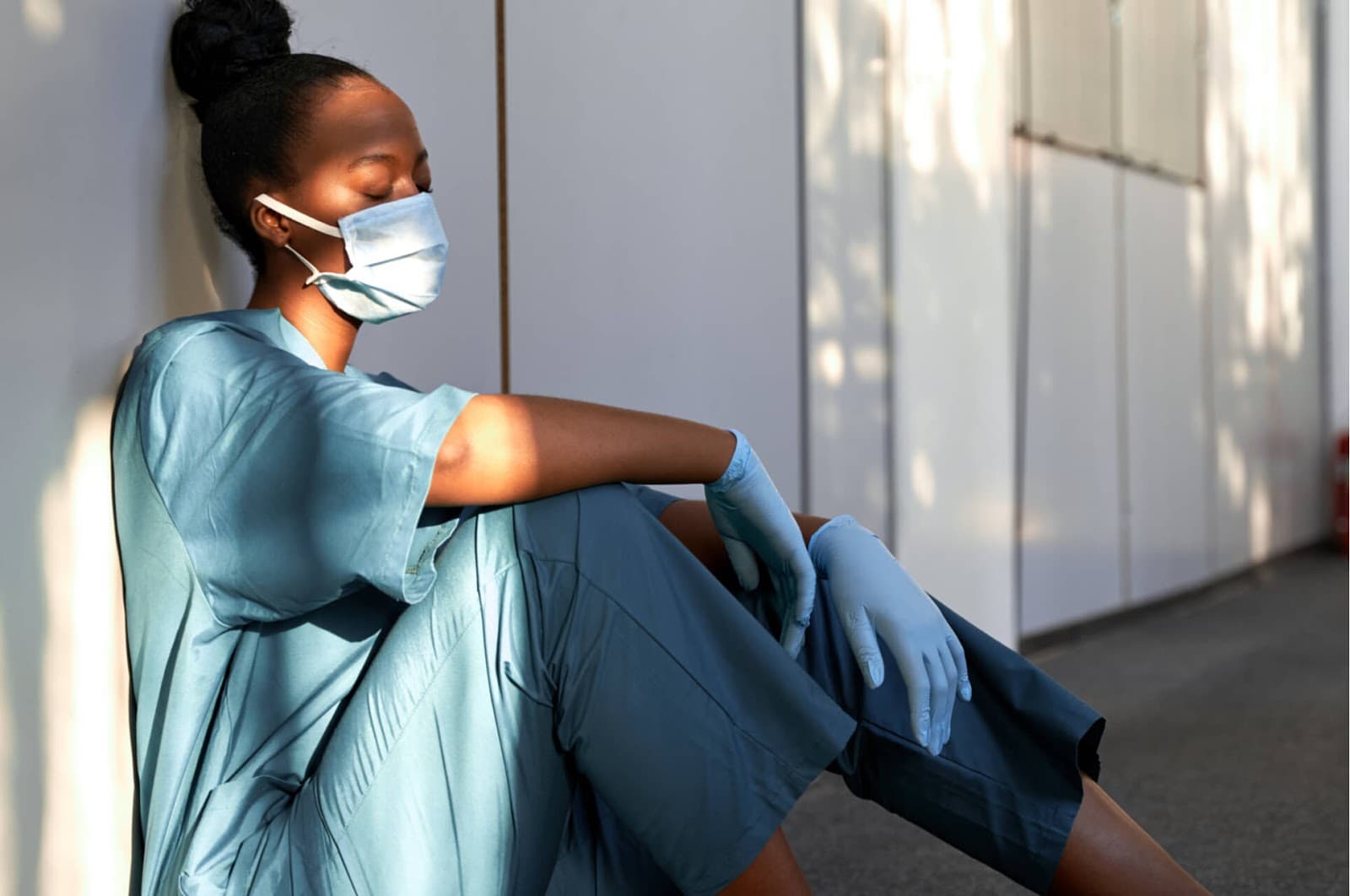
1. Healthcare professionals
Healthcare professionals, particularly those based in hospitals, frequently work shifts with few breaks and long workdays of 12 hours or more. Since the Covid-19 pandemic began, these jobs have become even more intense and highly-pressured.
To help, try walking around (rather than simply standing in one place) as much as possible. Remain mindful of those moments you need to stay still for lengthy periods, so you can fit some movement in at the next available opportunity - even if it’s only walking to the other side of the ward or going to get a drink of water.
Another good idea is to wear compression stockings or socks, which are great at stimulating healthy blood flow and mitigating the effects of standing up.
2. Hairdressers
Hairdressing is another job that, by its very nature, requires a lot of standing. Stylists in busy salons often have back-to-back or even overlapping appointments, which translates to hours spent on their feet.
If this sounds familiar to you, it’s important to schedule breaks into your day. Even if it’s only short bursts of five minutes to walk around the block or grab a coffee, plan ahead to make sure you can have a few breaks during your working hours.
3. Retail employees
Anyone who has worked in retail will be able to tell you how exhausted their legs are by the end of a working day. Standing in front of a cash register for hours at a time isn’t great for circulation, and after years on the job this can have a real impact on long-term vein health.
In this environment, doing a couple of squats (in the break room or when no one is looking!) can help maintain good circulation. Changing your posture as much as possible while standing, and making sure you sit down during the day in the break room, will also be beneficial.
4. Teachers
When in the classroom, teachers need to stand at the front of their class for long periods of time. While teaching remotely via video call, they spend their time sitting down for long periods, on top of the hours they spend planning classes and grading homework. In either case, being static for too long can pose a threat to vein health.
A possible solution if, as a teacher, you’re sitting for most of the day, is to prop your feet up on a foot rest or stool. This will help ease the burden on the veins in your leg as they won’t have to work against gravity.

5. Food service workers
Chefs and waiters are also more likely to develop varicose veins due to the long hours spent in a kitchen.
For this type of work, wearing comfortable, loose-fitting clothing that doesn’t restrict circulation anywhere on the body is very important.
Getting into good habits
While eventually developing varicose veins is a risk in these industries, this of course shouldn’t stop you from pursuing any of the careers on this list, which are all indispensable and deeply rewarding jobs. Rather than letting the fear of poor vein health get in your way, it should simply serve as a reminder to consider this aspect of your physical wellbeing alongside other factors such as sleep, diet and exercise.
Getting into good habits as early as possible - and maintaining them - is the best way to prevent complications further down the line. If, however, you have already been experiencing any symptoms, seeing a specialist is important, especially if you’re in any pain or discomfort.
At UK Vein Clinic, you’ll find a team of medical professionals who will help you with a world-class treatment at fair prices. Don’t hesitate to contact one of our experts today and take the first step towards healthier veins.
.png)
.png)
.png)

Take our two-minute diagnostic test to see if you could benefit from varicose vein treatment.
Share our article and help us to leave UK free of varicose veins
Scopri i nostri trattamenti mini-invasivi e ascolta direttamente l’esperienza dei nostri chirurghi vascolari.
UK Vein Clinic Italia apre a Legnano, nell’area di Milano, offrendo diagnosi e trattamenti specialistici per le vene varicose. Tra le opzioni disponibili, ablazione endovenosa con radiofrequenza (RFA) e scleroterapia con schiuma, all’interno di un percorso specialistico dedicato alla patologia venosa.