
 Chiama lo +39 02 8294 1870Prenota la tua visita
-
Vene Varicose
- Informazioni
- Trattamenti
- Prezzi
- La nostra clinica
- Il nostro team
- Richiedi una brochure
- Perché sceglierci
- Contattaci
Blog
Published on
August 12, 2026
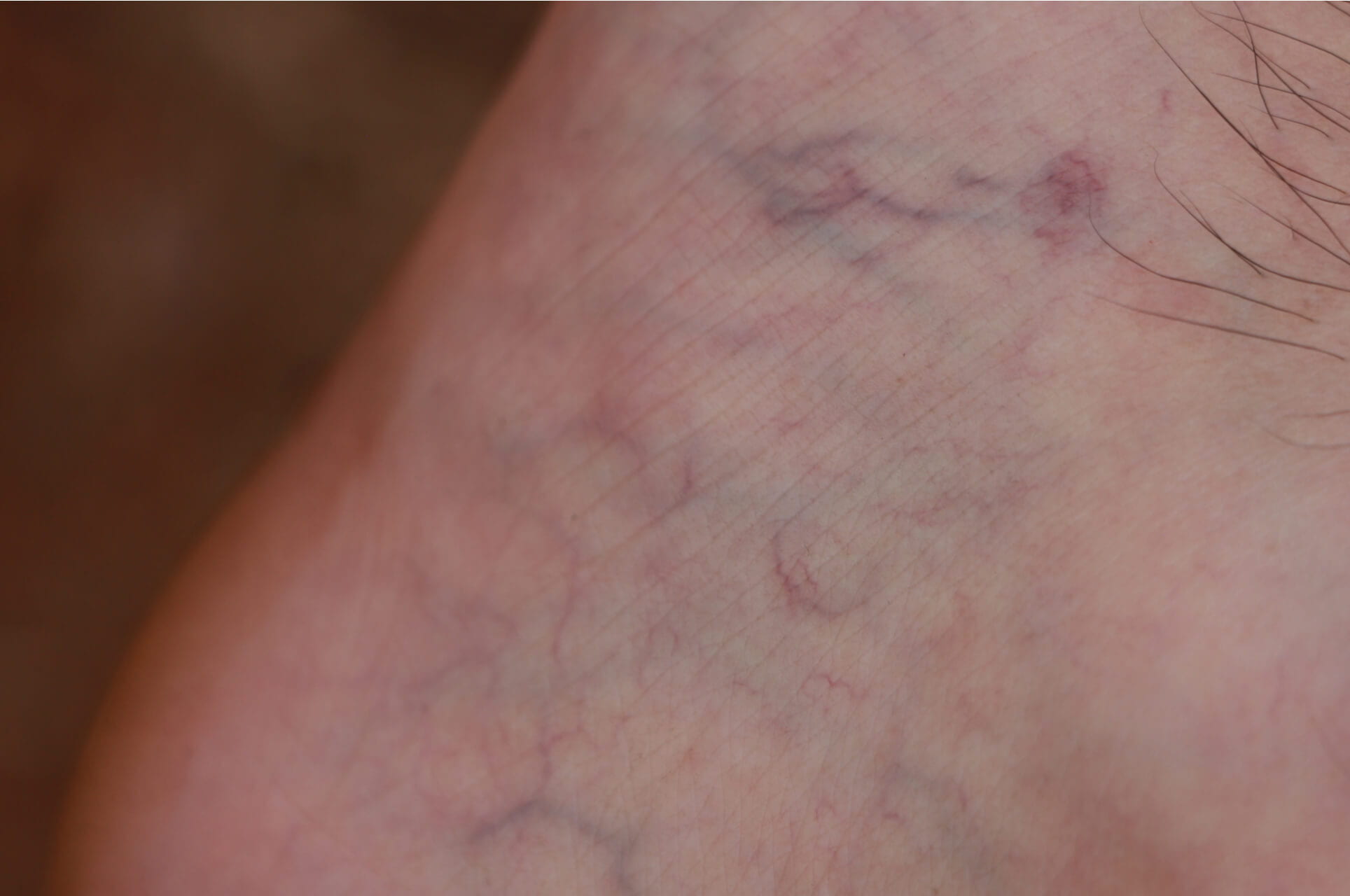
Spider veins, also commonly known as thread veins, are small, damaged veins that can appear on the surface of the face or legs. Whilst usually not as painful as varicose veins, untreated spider veins may lead to dangerous complications and can sometimes become a cosmetic issue for those affected.
Women are twice as vulnerable as men to develop spider veins, especially during pregnancy or after reaching the age of 40. However, it is thought that nearly all of us will suffer from them at some point in our lives. So, how can one prevent spider veins in the legs?
First, what causes spider veins?
Sometimes, previously strong and healthy veins can get damaged and weakened. When this happens, some of the blood that would normally flow back to the heart leaks backwards and starts to clog. This leads to our veins becoming slightly enlarged, and therefore increasingly visible.
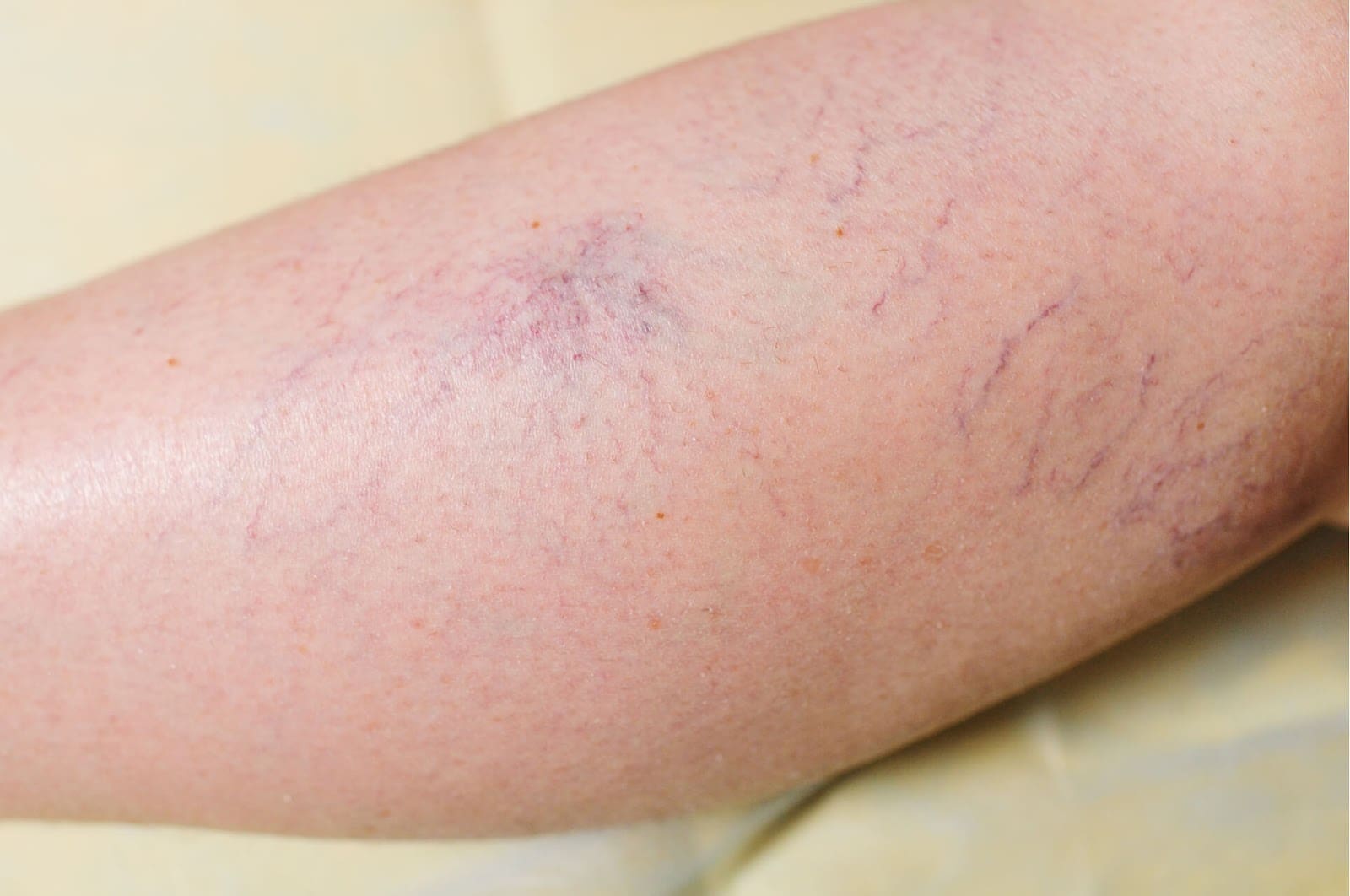
The condition can be attributed to a number of factors including age, pregnancy, hormonal changes, a sedentary lifestyle, birth control pills and cold weather. Preventing spider veins from appearing altogether is not entirely possible. But, fortunately, there are a few simple steps you can take to both reduce your risk or stop them from worsening.
Move those legs!
Leading a sedentary lifestyle can lead to several health issues, and venous insufficiency is one of them. This is because, when we sit or stand in the same position for extended periods, our veins have to make an extra effort to pump blood back to the heart. Because of this, people in professions that demand long hours spent standing (such as healthcare, retail and beauty) are at increased risk.

Any negative consequences of a sedentary lifestyle can be prevented by getting up and walking approximately every 30 minutes if you spend most of your time sitting, or by changing your posture as much as possible while standing.
If incorporating exercise into your daily routine is not possible because of work or other responsibilities, there are some changes you can make in order to have a more active lifestyle. For example, when going to the office or elsewhere, park as far as possible and avoid using elevators or escalators; get those legs moving!
Give your veins a hand
One common way to prevent blood from further accumulating in your legs is by wearing compression stockings, which are also often prescribed post varicose or spider vein treatment. They promote blood flow and can help reduce pain and swelling by compressing tightest around the ankles and decreasing in pressure as they go up.
.jpg)
When wearing them, it is better to remain in a fully horizontal position, as this allows the tiny valves inside your leg veins to pump blood back to the heart most effectively.
Keep an eye on how you sit
As we’ve already mentioned, sitting for extended periods can lead to the development of spider veins in your legs. However, the risk increases further when the position in which you sit makes it more complicated for your veins to do their job.
Crossing our legs while sitting is something we all do on a daily basis, but this can actually have a negative effect on blood circulation. Not doing it is just the first step to reduce the risk of developing spider veins; elevating your legs when sitting can also provide some relief to damaged veins.
Ready to put this into practice?
There are other simple tips to prevent spider veins from worsening such as applying sunscreen (especially on your face), maintaining a healthy diet, avoiding tight clothing and reducing your alcohol consumption.
And if you or someone you know is no longer in a prevention stage, seeking medical advice or treatment (depending on your situation) will always be the right decision. If you want to learn more about spider veins, or would like a specialist to assess your damaged veins, book a call with us today.
.png)
.png)
.png)

Take our two-minute diagnostic test to see if you could benefit from varicose vein treatment.
Share our article and help us to leave UK free of varicose veins
Scopri i nostri trattamenti mini-invasivi e ascolta direttamente l’esperienza dei nostri chirurghi vascolari.
UK Vein Clinic Italia apre a Legnano, nell’area di Milano, offrendo diagnosi e trattamenti specialistici per le vene varicose. Tra le opzioni disponibili, ablazione endovenosa con radiofrequenza (RFA) e scleroterapia con schiuma, all’interno di un percorso specialistico dedicato alla patologia venosa.