
 Chiama lo +39 02 8294 1870Prenota la tua visita
-
Vene Varicose
- Informazioni
- Trattamenti
- Prezzi
- La nostra clinica
- Il nostro team
- Richiedi una brochure
- Perché sceglierci
- Contattaci
Blog

Published on
August 12, 2026
Nowadays, it’s difficult to go a single day without looking at ourselves. If it’s not our reflection in the mirror when we’re brushing our teeth, it’s seeing a picture of ourselves on social media or catching our reflection while walking down the street.
Either way, what we see in that mirror and how we feel about our image can have a huge effect on our happiness, confidence, mental health and overall welfare. For this reason, even treatments that are considered to be mostly cosmetic can have far-reaching benefits in terms of our body image and wellbeing.
The term ‘body image’ is defined as the subjective picture or mental image of one's own body. In other words, it’s a combined picture of both how you think you look, and how you feel that you should look. It’s not just what you see when you look in the mirror or at a photo of yourself; your body image also exists as an image in your mind. Body image is closely linked with issues of self-esteem and confidence, which then have a very strong effect on our mental wellbeing.
Some people with poor body image can develop body dysmorphic disorders. This is generally the case with people who have a wholly unrealistic view of their body, either due to the media, peer pressure or other societal influences. People with body dysmorphic disorders are at high risk of depression, anxiety and even suicidal thoughts. Depending on the nature of the body dysmorphia, they may also be at risk of developing eating disorders such as anorexia and bulimia.
While poor body image has a negative effect on mental health, the opposite is also true. When we feel that we look good, or at least how we feel we should look, our confidence rises along with our overall self-esteem. This can be a huge contributing factor to positive mental health. As the UK’s Mental Health Foundation writes, “Body satisfaction and appreciation has been linked to better overall wellbeing and fewer unhealthy dieting behaviours.”

As mentioned, part of your body image is mental. This means that in order to maintain a positive body image, we need to start with a realistic goal. If you find yourself obsessing over your looks, especially parts of your body whose appearance you have no control over, then try the following:
It’s important for us to be accepting of the individual nature of our bodies. As mentioned above, body dysmorphic disorders come from unrealistic and unattainable body images. However, acceptance is not the same thing as complacency. While all mental health practitioners support a positive body image, this doesn’t necessarily mean supporting unhealthy habits. While we should celebrate our bodies in all their shapes and sizes, it’s equally important to look after them as best we can.
Personal development is an important part of self-care. Just as we needn’t be ashamed of our bodies, we also shouldn’t be afraid of working to look better in order to feel better. Maintaining a healthy diet, controlling our weight, exercising, dressing well and even enjoying beauty treatments can all contribute to looking and feeling better. As mentioned, how you feel about the way you look is a contributing factor to your self-esteem and mental health. So much so, in fact, that in the UK, the Mental Health Foundation has brought together the Joint Council for Cosmetic Practitioners and the British Beauty Council in order to offer guidance about cosmetic procedures.
The short answer is that varicose vein treatments may be cosmetic or medical, depending on the severity of the issue. Varicose veins are graded on a CEAP classification scale of severity, from C1 (very mild) to C6 (more serious). Only the first two levels, C1 to C2A are considered purely cosmetic, while the remaining grades all indicate that the veins are causing other medical issues, such as aches and pains, swollen ankles or ulcers.
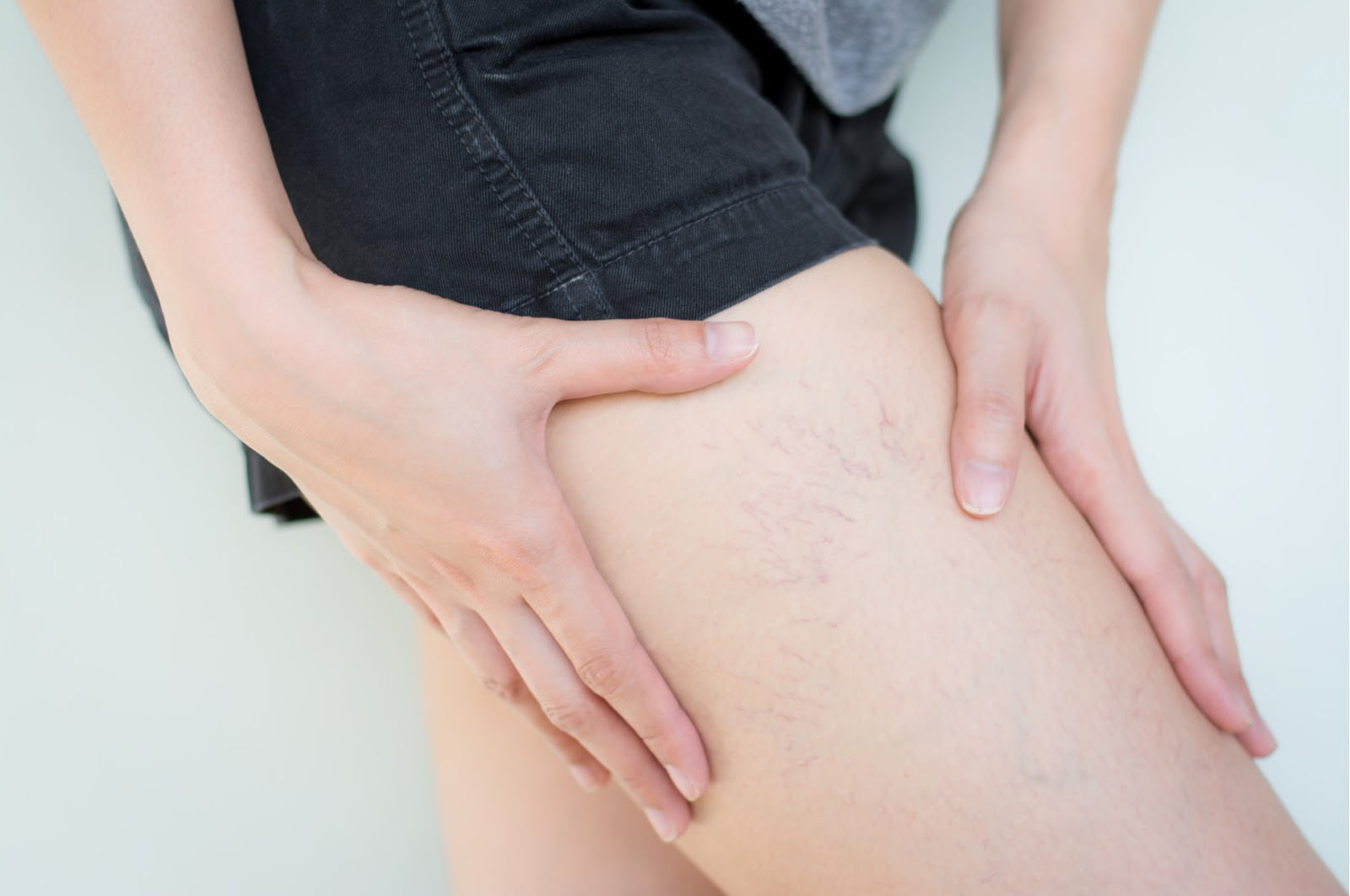
However, even though only the most severe four grades are considered medically necessary to treat, even the ‘cosmetic’ end of the scale can have an effect on your body image. In other words, you don’t need painful varicose veins to justify removing them, and you don’t need to have them treated for other people’s view of you. Taking care of yourself and having your legs look the way you want them to look is reason enough!
.png)
.png)
.png)

Take our two-minute diagnostic test to see if you could benefit from varicose vein treatment.
Share our article and help us to leave UK free of varicose veins
Scopri i nostri trattamenti mini-invasivi e ascolta direttamente l’esperienza dei nostri chirurghi vascolari.
UK Vein Clinic Italia apre a Legnano, nell’area di Milano, offrendo diagnosi e trattamenti specialistici per le vene varicose. Tra le opzioni disponibili, ablazione endovenosa con radiofrequenza (RFA) e scleroterapia con schiuma, all’interno di un percorso specialistico dedicato alla patologia venosa.