
 Chiama lo +39 02 8294 1870Prenota la tua visita
-
Vene Varicose
- Informazioni
- Trattamenti
- Prezzi
- La nostra clinica
- Il nostro team
- Richiedi una brochure
- Perché sceglierci
- Contattaci
Blog

Published on
August 12, 2026
As lockdown restrictions start to ease across the UK, it feels like we can finally see some light at the end of the tunnel. But that doesn’t mean that the past year hasn’t taken its toll: in fact, 65% of Britons have reported suffering from heightened stress levels, putting them at danger of developing more serious mental and physical problems.
This month has marked the 29th anniversary of Stress Awareness Month. Between the pandemic-related anxiety many of us have been dealing with, and the new pressures of life resuming at a faster pace once again, it’s more important than ever to develop stress management strategies to reduce any tension that has built up in our bodies.
While stress doesn’t explicitly cause varicose veins, the two issues are linked; more specifically, high levels of stress are known to aggravate existing symptoms of vein disease. In this article, we’ll explain the risks associated with stress, and what you can do to feel more balanced and lower your risk of poor vein health.
The Effect Of Stress On Varicose Veins
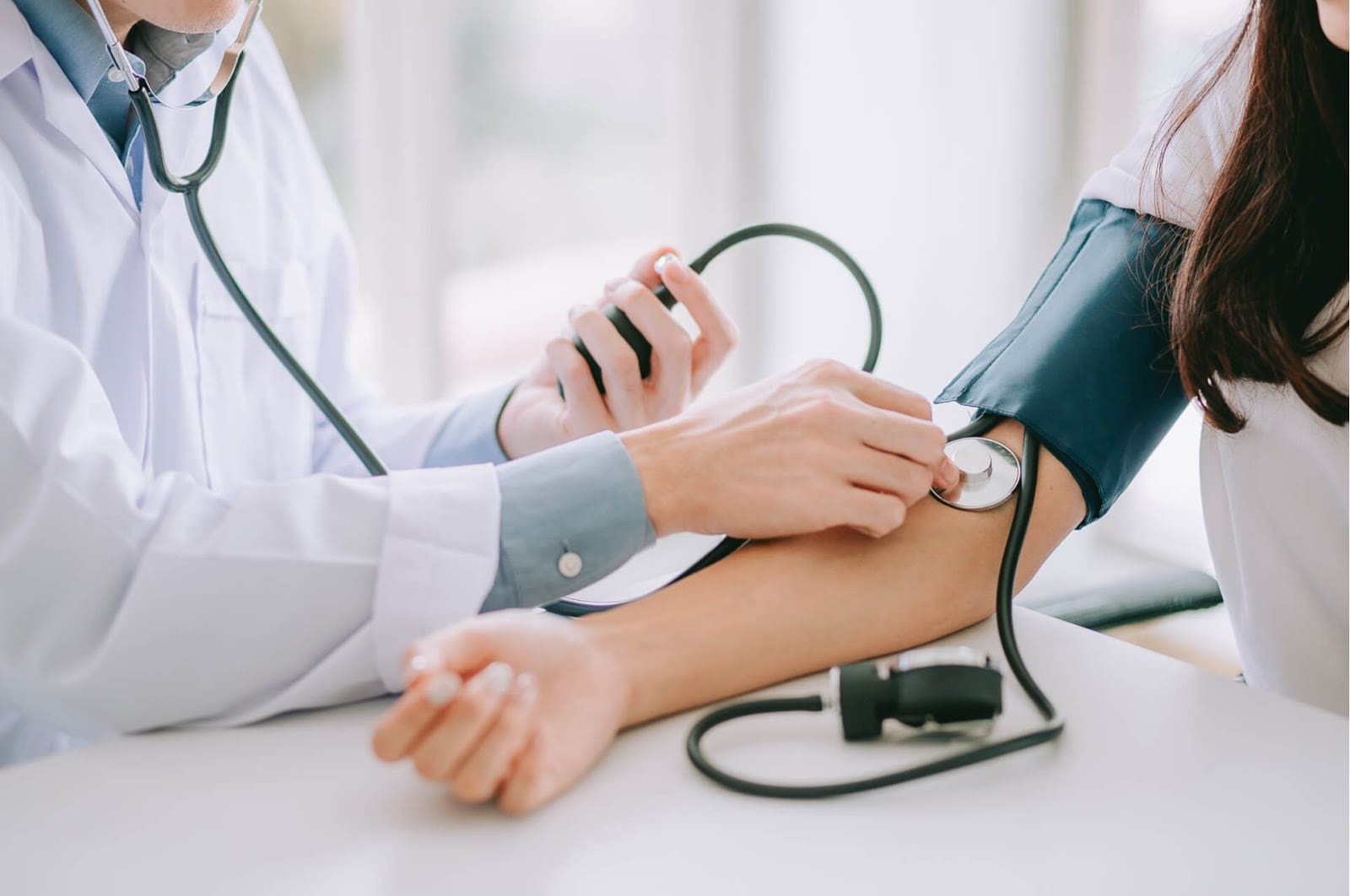
Stress causes your blood pressure to rise: hypertension (high blood pressure) occurs when too much pressure is exerted on the walls of your blood vessels, weakening your veins. Consequently, blood doesn’t flow as efficiently and in some cases can begin to pool in sites around the body, causing varicose veins.
The longer your body stays in a stressed state, the worse your overall wellbeing will be. Between worries associated with the pandemic itself, increased work hours at the home office, plus the added stressors of childcare and homeschooling, it’s no surprise that 74% of adults say that they’ve been feeling overwhelmed and unable to cope with life over the past year.
Although it’s often thought of as exclusively a matter of mental wellbeing, stress is known to be detrimental to physical health. It can have a knock-on effect on daily habits too, as people under considerable stress tend to be less likely to eat healthily, exercise or even take a break from the tasks that are causing them stress.
Eat Well

Maintaining a balanced diet can be a challenge when you’re feeling stressed. Like many people, you may be feeling overwhelmed and that you don’t have enough time to prepare a nutritious meal.
However, eating a balanced diet is key to reducing the impact of stress and improving vein health. Some important foods to include in your diet to combat varicose veins include leafy green vegetables, which help blood to circulate around your body.
Avocados are full of potassium, which can help lower your blood pressure; they’re also rich in vitamin B, which has been shown to have a beneficial impact on stress levels. Porridge is another great, easy and comforting addition to a balanced diet, as oats can boost serotonin levels, the hormone that stabilises your mood.
Do Yoga
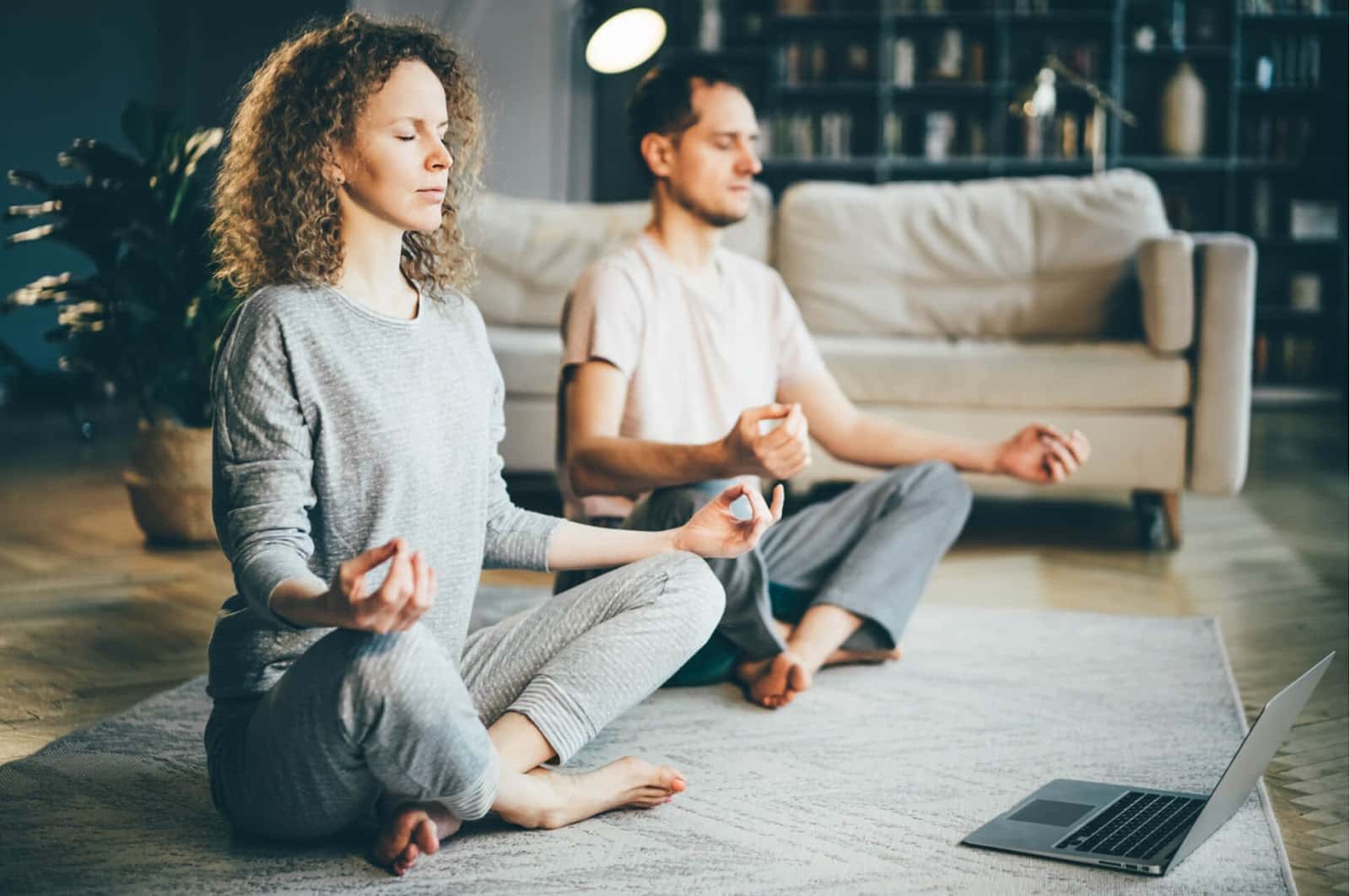
Yoga has been proven to be beneficial for managing both stress and symptoms of vein disease. The low-impact exercise encourages blood to flow around your body as you stretch and engage every muscle throughout your routine.
The controlled breathing that is so central to yoga is excellent for lowering your blood pressure as it activates the parasympathetic system which functions as you have some rest and relaxation.
10 minutes of yoga every day allows your body some relief to recover from any stressful moments you have faced in the day and further decreases your chances of burnout.
Practice Mindfulness
Practising mindfulness is a stress management tool that is gaining traction across the world. This form of meditation allows you to observe your thoughts, feelings and senses in a calm and non-judgemental manner.
Find a space where nobody will disturb you and put your devices on silent. You need to tune out not only from the material world around you but also everything virtual - the last thing you need is your workplace spamming you with notifications as you try to relax!
Start by taking deep breaths into your diaphragm, as this increases the level of oxygen in your bloodstream. Feel a sense of calm wash over your mind and body as your heart rate slows and your blood pressure decreases. Your mind - and varicose veins! - will thank you.
Manage Your Symptoms Before It’s Too Late
With so many issues in the world, your stress levels may spike just from watching or reading the news - and that’s completely normal. However, you cannot control what is happening externally, so it’s important to focus on your body, centre yourself and ensure that you are in the best shape you can be - physically and mentally.
.png)
.png)
.png)

Take our two-minute diagnostic test to see if you could benefit from varicose vein treatment.
Share our article and help us to leave UK free of varicose veins
Scopri i nostri trattamenti mini-invasivi e ascolta direttamente l’esperienza dei nostri chirurghi vascolari.
UK Vein Clinic Italia apre a Legnano, nell’area di Milano, offrendo diagnosi e trattamenti specialistici per le vene varicose. Tra le opzioni disponibili, ablazione endovenosa con radiofrequenza (RFA) e scleroterapia con schiuma, all’interno di un percorso specialistico dedicato alla patologia venosa.