
 Chiama lo +39 02 8294 1870Prenota la tua visita
-
Vene Varicose
- Informazioni
- Trattamenti
- Prezzi
- La nostra clinica
- Il nostro team
- Richiedi una brochure
- Perché sceglierci
- Contattaci
Blog
Published on
August 12, 2026
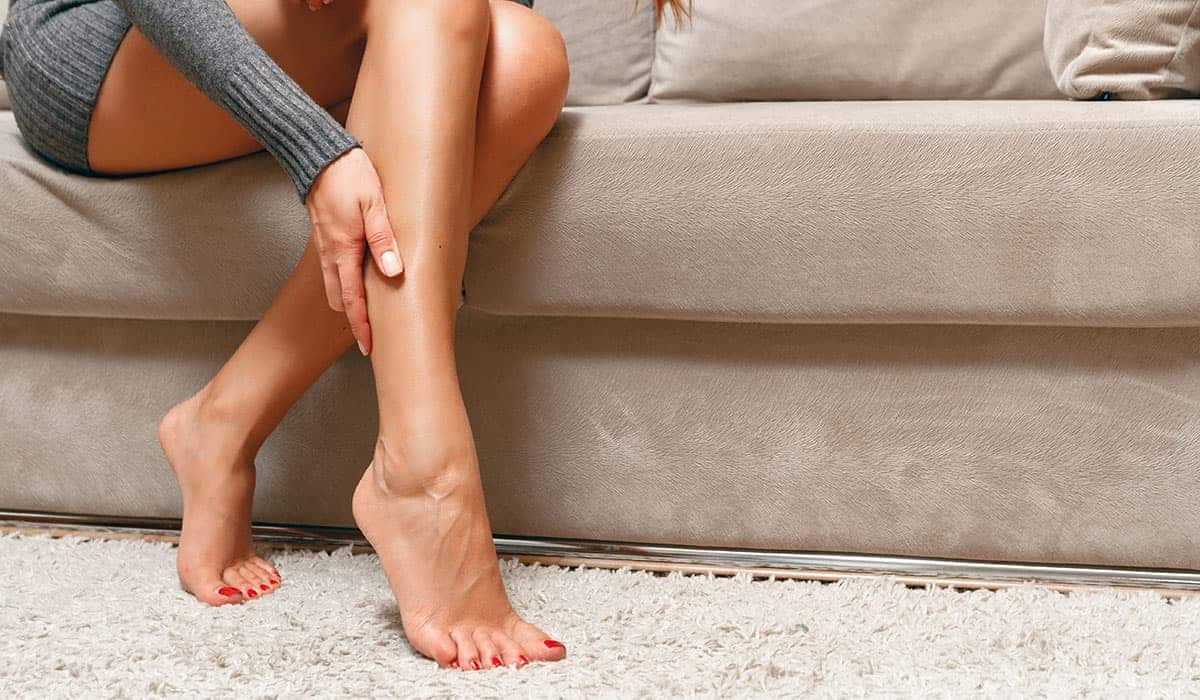
Varicose veins are enlarged veins that can cause the skin to appear lumpy or bulging. They are often blue or purple and are most common on the legs and feet. Varicose veins are a vascular condition, and can cause pain for some people, depending on the severity of the condition.
In many cases, varicose veins are only a cosmetic issue and there is no clear link between the severity of varicose veins and the amount of discomfort they cause. In fact, large, visible varicose veins may not cause any pain, while smaller, less visible varicose veins can be quite painful for some, however every person who suffers with varicose veins will experience different symptoms.
More often than not, varicose veins are a cosmetic concern, rather than a health risk, but there are a range of symptoms that can be experienced.
The most common symptom of varicose veins is their visibility on the body (most commonly on the legs) in that they are enlarged, twisted veins that are often visible through the skin. However, there are several other symptoms of varicose veins that include:
It is important to note that not everyone with varicose veins will experience all of these symptoms; the severity of symptoms can vary from person to person.
All veins have valves that prevent blood from flowing backwards (away from the heart) and over time, these valves can weaken which can allow blood to pool in the veins. The pooling of the blood can cause the veins to become swollen, enlarged, and painful, due to the build up of blood and pressure within the veins.
The good news is, there are several ways to relieve pain caused by varicose veins. Here are just a few of the ways you can help to minimise any discomfort:
Keep legs elevated
To relieve the pain and discomfort of varicose veins, raise your legs above your heart. You can do this by placing your feet on a table, stretching them up a wall, or lying down in bed with your legs elevated on pillows. This will help blood flow more easily towards your heart and improve the function of the venous valves.
It is recommended to keep your legs elevated for at least 15 minutes at a time as this should help reduce swelling and ease pain.
Avoid sitting or standing for long periods of time
Sitting or standing for long periods of time can worsen varicose vein pain. If you have to sit or stand for long periods of time, it is important to take breaks and move around to encourage blood flow.
Exercise
Exercise can help to improve circulation and reduce pain from varicose veins, however, it is important to avoid activities that put too much strain on the legs, such as running or jumping.
Wear compression stockings
Compression stockings help to improve circulation and reduce swelling. They can be worn all day or just during the day, depending on the severity of the pain.
Varicose vein treatment using minimally invasive techniques that have been clinically proven to have the best outcomes for patients is available here at UK Vein Clinic. Find out more about how foam sclerotherapy and radiofrequency ablation can get rid of varicose veins for good.
Varicose veins are a common condition that can affect anyone. While they may be primarily a cosmetic concern for some, others may find them painful and uncomfortable, so if you have any concerns about your varicose veins or experience symptoms such as pain, swelling, or heaviness, it is advisable to speak to a vascular specialist.
You can book an initial consultation to speak with one of our specialists for a diagnosis and more information by clicking the link below:
Book your initial consultation
Varicose vein pain is often described as a dull ache or heaviness in the legs although it can also be a sharp, throbbing pain, or a feeling of tightness or swelling. The pain is usually worse after standing or sitting for long periods of time, and it can be relieved by elevating the legs.
Our leg muscles contract and relax throughout the day to help pump blood back to the heart. However, at night, when our muscles are inactive, blood can pool in the veins due to gravity which can cause increased pressure on the veins, swelling, and discomfort.
During menstruation, the level of progesterone in the body increases and this rise in progesterone relaxes the walls of veins, allowing them to carry more blood. This can put strain on the valves in the leg veins that help to transport blood back to the heart which can cause varicose veins to form or worsen, although after menstruation, the symptoms of varicose veins typically improve.
.png)
.png)
.png)

Take our two-minute diagnostic test to see if you could benefit from varicose vein treatment.
Share our article and help us to leave UK free of varicose veins
Scopri i nostri trattamenti mini-invasivi e ascolta direttamente l’esperienza dei nostri chirurghi vascolari.
UK Vein Clinic Italia apre a Legnano, nell’area di Milano, offrendo diagnosi e trattamenti specialistici per le vene varicose. Tra le opzioni disponibili, ablazione endovenosa con radiofrequenza (RFA) e scleroterapia con schiuma, all’interno di un percorso specialistico dedicato alla patologia venosa.