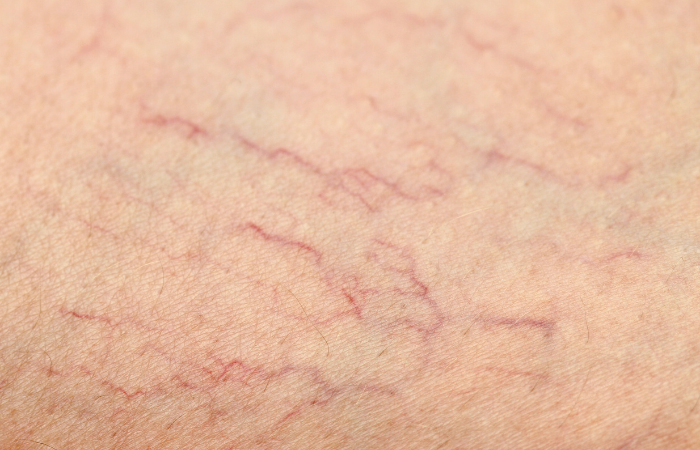
Thread veins, also known as spider veins, are small, visible blood vessels that commonly appear on the legs. While they are typically harmless, they can be a cosmetic concern and, in some cases, indicate underlying venous insufficiency. Understanding the causes and available treatment options can help you make informed decisions about managing and preventing leg thread veins.
What Causes Thread Veins on the Legs?
Several factors contribute to the development of leg thread veins, including:
Genetics – A family history of varicose veins or spider veins increases the likelihood of developing thread veins.
Chronic Venous Insufficiency – When veins struggle to return blood to the heart efficiently, increased pressure can cause smaller veins to become visible.
Hormonal Changes – Fluctuations in hormone levels due to pregnancy, menopause, or hormone therapy can weaken vein walls.
Prolonged Standing or Sitting – Jobs that require extended periods of standing or sitting can negatively impact circulation and contribute to thread vein development.
Aging – As the veins lose elasticity over time, they become more prone to dilation and visibility.
Sun Exposure – While primarily a factor for facial veins, excessive UV exposure can also contribute to weakened veins on the legs.
Obesity – Carrying excess weight puts additional pressure on the veins and circulatory system, making them more susceptible to damage.
Effective Treatments for Leg Thread Veins
If you’re considering treatment for leg thread veins, several effective medical options are available:
Microsclerotherapy – The most common treatment for leg thread veins, microsclerotherapy involves injecting a special solution into the affected veins, causing them to collapse and be absorbed by the body over time. This procedure is minimally invasive and highly effective for treating thread veins on the legs.
Veinwave (Thermocoagulation) – A technique that uses targeted heat energy to seal thread veins, making them less visible. This method is particularly effective for smaller veins that are difficult to treat with sclerotherapy.
Preventing Thread Veins on the Legs
While not all thread veins can be prevented, certain lifestyle changes can reduce the risk of developing them:
Regular Exercise – Activities like walking and cycling improve circulation and support healthy veins.
Wearing Compression Stockings – These help improve blood flow and reduce pressure on the veins.
Avoiding Long Periods of Standing or Sitting – Taking breaks to move around can help maintain proper circulation.
Elevating the Legs – Raising your legs periodically can reduce pressure on the veins.
Maintaining a Healthy Weight – Reducing excess weight can alleviate strain on the venous system.
Leg thread veins are a common condition, but effective treatments such as microsclerotherapy and thermocoagulation can significantly reduce their appearance. Additionally, adopting healthy lifestyle habits can help prevent new thread veins from forming. If you are concerned about thread veins on your legs, consulting a vein specialist can help you explore the best treatment options for your needs.
Dealing with knee pain? This guide covers five simple, safe exercises, straight leg raises, seated knee extensions, hamstring stretches, wall squats, and step-ups, to help you build strength and move with confidence again.
Travelling, how we miss you! With the end of lockdown now just within our sights, many of us are counting the days until we’re able to hop on a plane again.
This blog compares the cost, effectiveness, and recovery times of modern varicose vein treatments such as Foam Sclerotherapy and Radiofrequency Ablation (RFA) with traditional vein stripping surgery. While older methods can be more invasive and expensive, newer treatments offer less pain, faster recovery, and fewer risks. The post also provides a cost breakdown for each treatment option in the UK and explains why Foam Sclerotherapy and RFA are increasingly preferred over traditional methods. Patients can make informed choices by consulting with experts at UK Vein Clinic for tailored treatment plans and pricing.
Varicose veins can cause discomfort and affect confidence, leading many to seek private treatment for faster, more effective solutions. This blog breaks down the costs of private varicose vein treatments in the UK, including factors such as treatment type, clinic location, and severity. Learn about popular procedures like Foam Sclerotherapy and Radiofrequency Ablation (RFA), how they compare to NHS options, and whether insurance can help cover costs. At UK Vein Clinic, we offer transparent pricing and flexible financing plans to make treatment more accessible. Book a diagnostic assessment today to take the next step toward healthier legs.
Take our two-minute quiz
Take our two-minute diagnostic test to see if you could benefit from varicose vein treatment.
Try our comparison tool
Compare UK Vein Clinic with providers in your area
Compare now
Share Our Article
Share our article and help us to leave UK free of varicose veins
Download our free brochures
Discover our breakthrough minimally invasive treatments and hear directly from our expert vascular surgeons.
We're pleased to be able to provide our world-class varicose vein treatment in a variety of places throughout the United Kingdom. Learn more about your treatment options, including endovenous radio-frequency ablation (EVRF) and foam sclerotherapy, at the clinic closest to you.

 Call us on 0208 1873999Arrange a visit