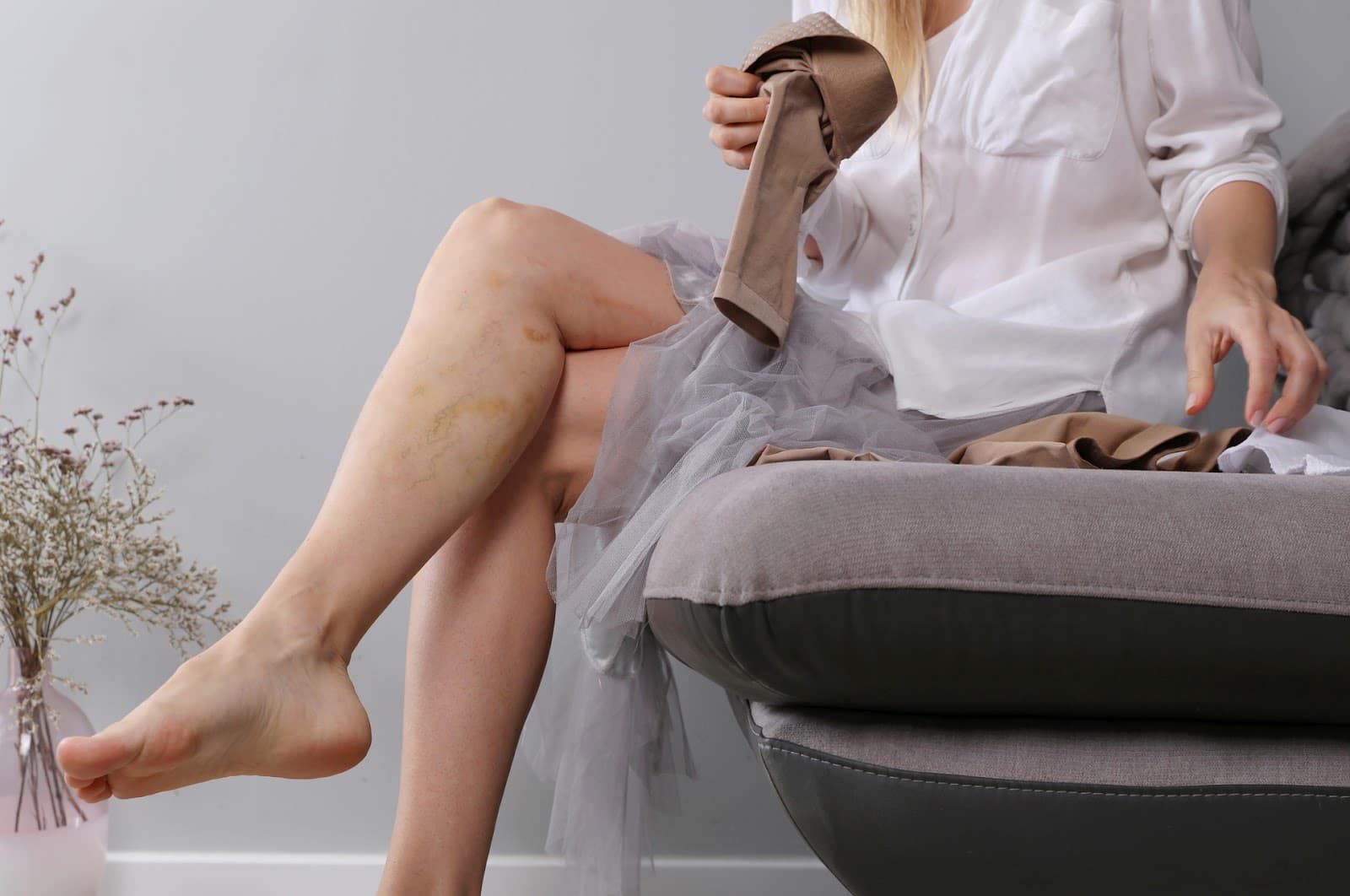
Although varicose veins most commonly occur in the legs and feet, they can actually develop on any part of the body. The majority of sufferers experience vein disease in the lower half of their body, but one quarter of all adults are affected in the face, hands, arms and even genitals.
If you’re concerned about varicose veins appearing on unexpected parts of your body, rest assured that these are all perfectly normal (though perhaps not always welcome). While there is mostly no cause for immediate concern, if your veins are causing you pain or discomfort, this can lead to more serious conditions and seeing a specialist is advised.
Let’s take a look at some of the places unhealthy veins can appear.
Varicose veins on the hands
Visible veins in the hands are common and usually harmless. They can affect both older and younger people and are often due to normal body changes rather than vein disease. In most cases, these are simply prominent veins that sit close to the surface of skin, rather than true varicose veins.
There are a few reasons why veins on hands might look more prominent for example low body fat makes veins easier to see, while exercise and heat temporarily enlarge veins as blood flow increases. Factors such as ageing also plays a role, as the skin becomes thinner and loses elasticity over time, making veins more noticeable. Other lifestyle factors such as dehydration can further exaggerate their appearance. These changes are typically temporary or cosmetic and don't indicate an underlying problem.
True varicose veins in the hands are uncommon because arm veins are under much less pressure than leg veins. The veins in your legs have to work hard to push blood back up to your heart against gravity, especially when you are standing. The veins in your arms do not face the same strain, so they are less likely to become damaged or enlarged.
However, if you notice a vein that is bulging or twisted and it is accompanied by ongoing swelling, aching, tenderness, or changes to the skin, it may be a sign that you should seek medical advice for further assessment.
If you're worried about the appearance of your hand veins, some simple measures such as staying well hydrated, cooling the hands after exercise or in warm weather, and briefly elevating them after physical activity may help. Treatment in the hands is only considered when veins are symptomatic or cause significant cosmetic concern, and a clinician can advise on the most appropriate options while providing reassurance where needed.
Varicose Veins on Arms
Varicose veins can also appear on the arms for similar reasons as they do in the hands.
Varicose veins in the arm can worsen if you frequently wear tight-fitting clothes that restrict blood circulation. If your symptoms are painful, wear looser clothing or - if the weather permits! - short sleeves.
Hot weather can also cause your veins to protrude more than usual as the warmer temperature relaxes and enlarges the veins in your arm.
Gym goers who enjoy lifting heavy weights may also have what appear to be varicose veins. However, their prominent veins are a sign of vascularity as a result of frequent intensive exercise. Exercise improves blood pressure and continuous high-impact exercise contributes to leaner muscle mass, which may cause your veins to appear to stick out permanently.
Visible veins on lower abdomen: what it can mean
Visible veins on the lower abdomen are often normal and related to changes in the skin and body shape. Thin skin, ageing, significant weight loss, and previous surgery or scarring can make veins feel more noticeable. Pregnancy can also cause veins to appear more prominent as the abdomen stretches and pressure on pelvic veins increases. In many cases, these changes are harmless and cosmetic, and the veins may fade postpartum, although they can persist after multiple pregnancies or rapid weight changes.
However, although less common, visible abdominal veins can sometimes be linked to an underlying vein condition such as pelvic venous reflux. A more concerning pattern includes the sudden appearance of a network of veins alongside pelvic pain or pressure, symptoms that worsen with prolonged standing, or discomfort that fluctuates around the menstrual cycle. These features may be associated with pelvic congestion syndrome and should be assessed by a specialist.
If symptoms are present, evaluation usually begins with a duplex ultrasound to assess blood flow. In some cases, further pelvic imaging may be recommended. A clinician can determine whether the veins represent a normal variation or an underlying condition and advise on appropriate management.
On the face (often thread/spider veins)
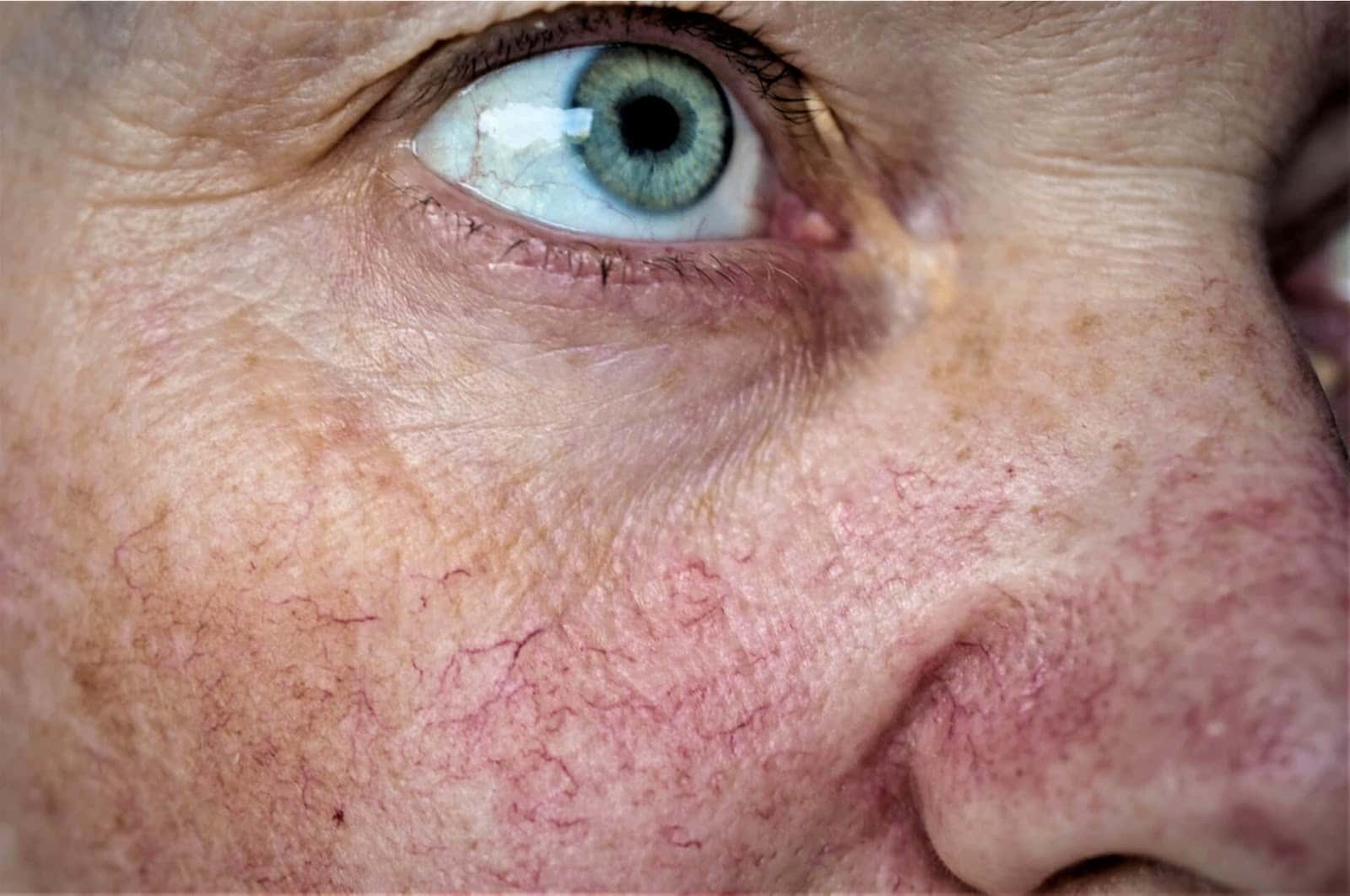
Varicose veins that appear on the face are most frequently thread veins - also known as spider veins due to their spindly appearance. Medically, these spider veins on the face are referred to as ‘telangiectasia’, red or purple veins that are smaller and thinner than the varicose veins that might appear on the legs.
Thread veins can develop anywhere on the body but are most commonly found on the legs or face, particularly the cheeks, nose or chin. This is because the skin is thinner in these areas, which increases the visibility of enlarged veins near the surface.
Thread veins are extremely common - 20% of women in their 20s and 50% of women in their 40s experience them. They are usually caused by a genetic predisposition, but external factors can include overexposure to the sun or excessive consumption of alcohol.
Varicose veins in groin (female) and pelvic area
Although thought of as a women’s issue, varicose veins also affect men, and anyone can develop vein disease in their pelvic region.
Women commonly develop vulvar varicose veins during pregnancy due to increased pressure against their blood vessels from their growing womb. This is a natural response and varicose veins in the genital area will not affect labour. Vein health tends to improve quickly after childbirth and varicose veins usually disappear six months postpartum.
Men can also suffer from vein disease in their scrotum which can contribute to the growth of varicoceles. This can affect the quality and quantity of sperm produced, as well as fertility.
FAQs
What do veins showing in your arms mean?
Veins showing in your arms usually mean the veins are close to the skin and more visible due to normal factors rather than vein disease. Low body fat, exercise, warm temperatures, ageing, and genetics can all make arm veins more noticeable. Physical activity can also make veins more visible by increasing blood flow, temporarily enlarging veins, while thinner skin with age makes them easier to see. In most cases, visible arm veins are harmless and reflect healthy circulation rather than an underlying vein condition.
When should I worry about my arm veins?
You should worry about your arm veins if they become suddenly swollen, painful, hard, or are accompanied by redness, warmth, or persistent swelling. These symptoms may indicate inflammation, a blood clot, or an underlying vein problem that requires medical assessment. Veins that appear twisted or bulging and cause aching or skin changes should also be evaluated.
What causes veins to pop out in arms and hands?
Veins pop out in the arms and hands when increased blood flow or reduced tissue coverage makes them expand and become more visible. Exercise, heat, and physical exertion temporarily enlarge veins as circulation increases, while low body fat and ageing reduce the cushioning beneath the skin. Dehydration can also make veins appear more prominent. These changes are usually normal and temporary, and in healthy individuals they are not a sign of vein disease.
Explore cutting-edge leg vein treatments at UK Vein Clinic. From EVRF for varicose veins to Veinwave for spider veins, discover personalised treatments for optimal vascular health.
On Wednesday evening, we had the privilege of hosting our first “GP Vascular Masterclass” for over 50 GPs in person at the Hotel du Vin Wimbledon and virtually thanks to our partners at Radcliffe Vascular. It provided an invaluable platform for our fantastic doctors to exchange insights on vein treatments, navigating complexities, and getting to know the wonderful Wimbledon GPs.
Take our two-minute quiz
Take our two-minute diagnostic test to see if you could benefit from varicose vein treatment.
Try our comparison tool
Compare UK Vein Clinic with providers in your area
Compare now
Share Our Article
Share our article and help us to leave UK free of varicose veins
Download our free brochures
Discover our breakthrough minimally invasive treatments and hear directly from our expert vascular surgeons.
We're pleased to be able to provide our world-class varicose vein treatment in a variety of places throughout the United Kingdom. Learn more about your treatment options, including endovenous radio-frequency ablation (EVRF) and foam sclerotherapy, at the clinic closest to you.

 Call us on 0208 1873999Arrange a visit